
The Commission’s proposed Regulation on plants obtained with New Genomic Techniques (NGT) aims to accelerate market access for the latest generation of GM plants and avoid consumer rejection of GM food. The proposal exposes consumers and the environment to unknown risks, jeopardises both organic and conventional GMO-free agricultural production and would lead to a surge of patented GM seeds. Without labelling of final products, consumers would be left in the dark.
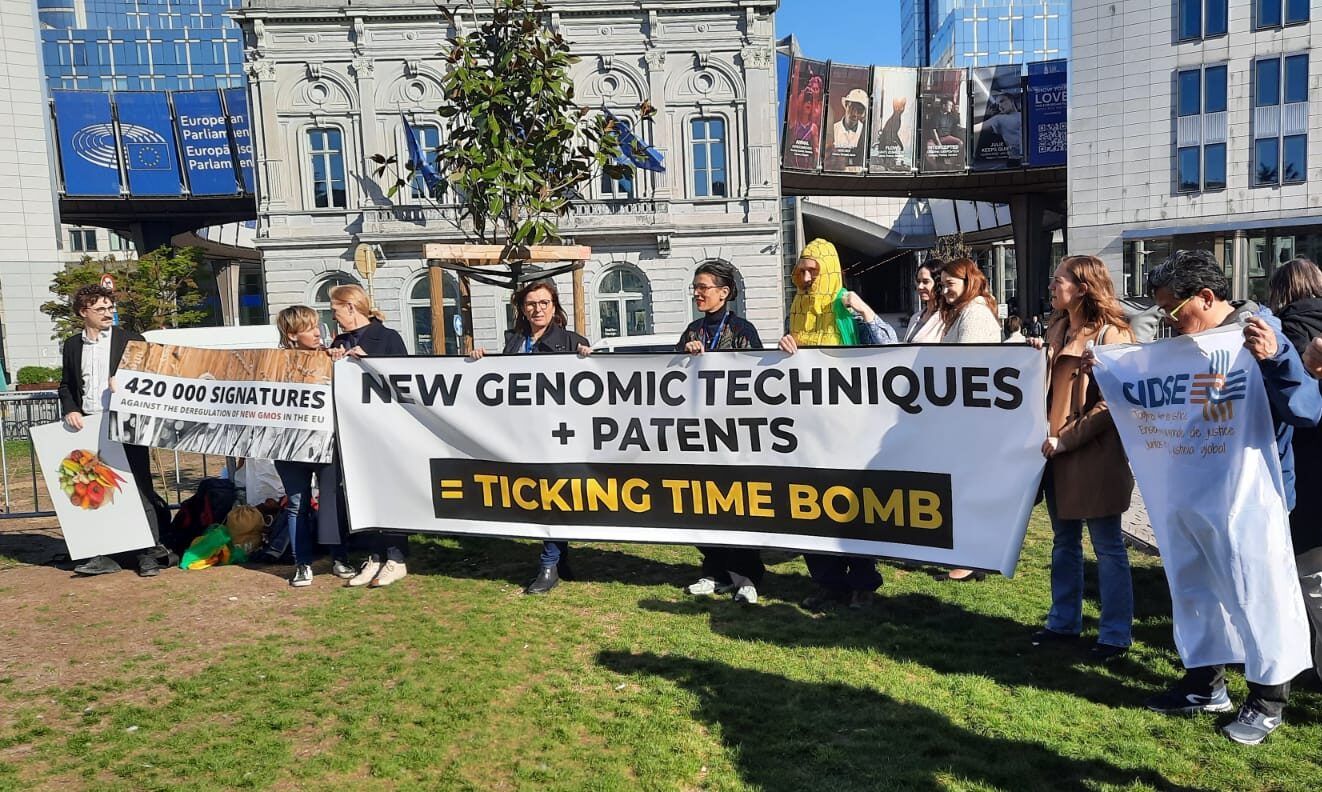
On 6 May, final negotiations will begin on the deregulation of plants engineered using new genetic modification (GM) techniques, such as CRISPR/Cas. During so-called trilogue talks, the European Parliament, Council of Ministers and European Commission will finalise an agreed version of the proposed Regulation on plants obtained through “new genomic techniques” (NGT).

Proposals to relax EU GMO laws could violate international law, according to a new legal opinion. The planned EU law on “new genomic techniques” (NGT) may be incompatible with the Biosafety Protocol of the UN Convention on Biological Diversity.
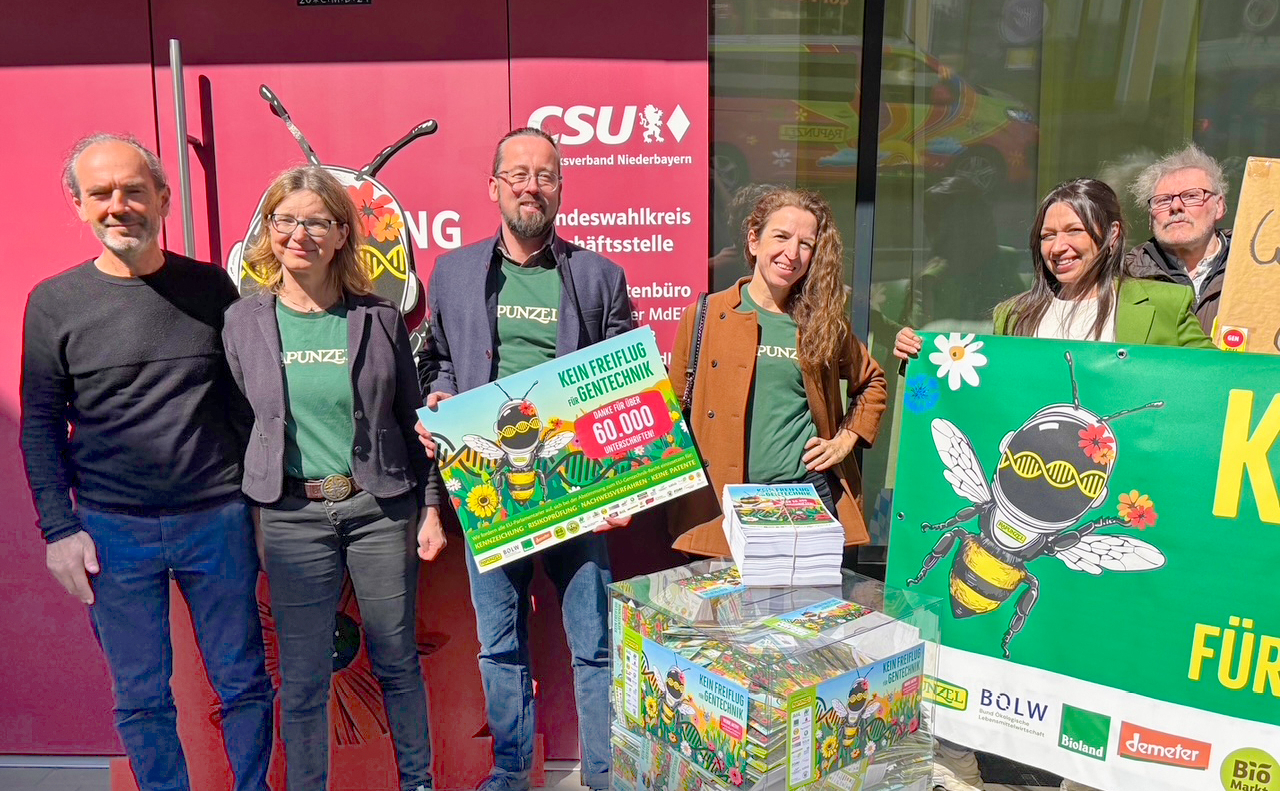
More than 60,000 citizens have taken part in a postcard campaign organised by Bavarian organic farming and environmental organisations against the deregulation of plants engineered with so-called ‘new genomic techniques’ (NGT). The ‘No free flight for GMOs’ campaign called for mandatory labelling, traceability and risk assessment for NGT plants.
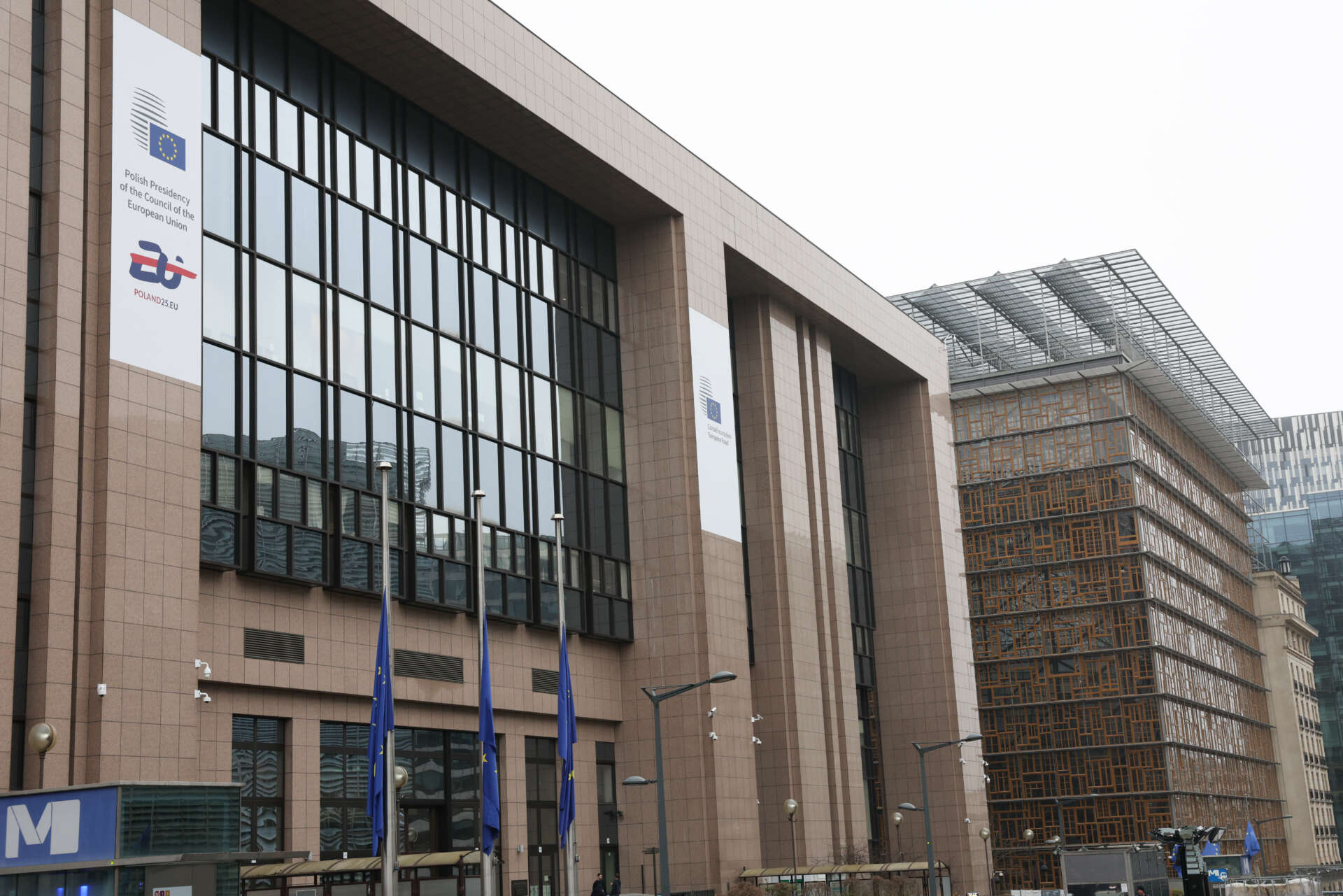
Brussels, 14 March 2025 – The Council of Ministers today reached an agreement on a position regarding the deregulation of genetically modified (GM) plants. In the Committee of Permanent Representatives (COREPER), the Polish EU Presidency managed to secure a narrow majority for its proposal of 19 February.
On Friday 14 March, the 27 EU member states reached an agreement on the deregulation of plants produced using new genetic engineering techniques, known as “new genomic techniques”. A qualified majority of member states backed the compromise proposal put forward by the Polish EU presidency. Many agricultural and environmental organisations had criticised the proposal.
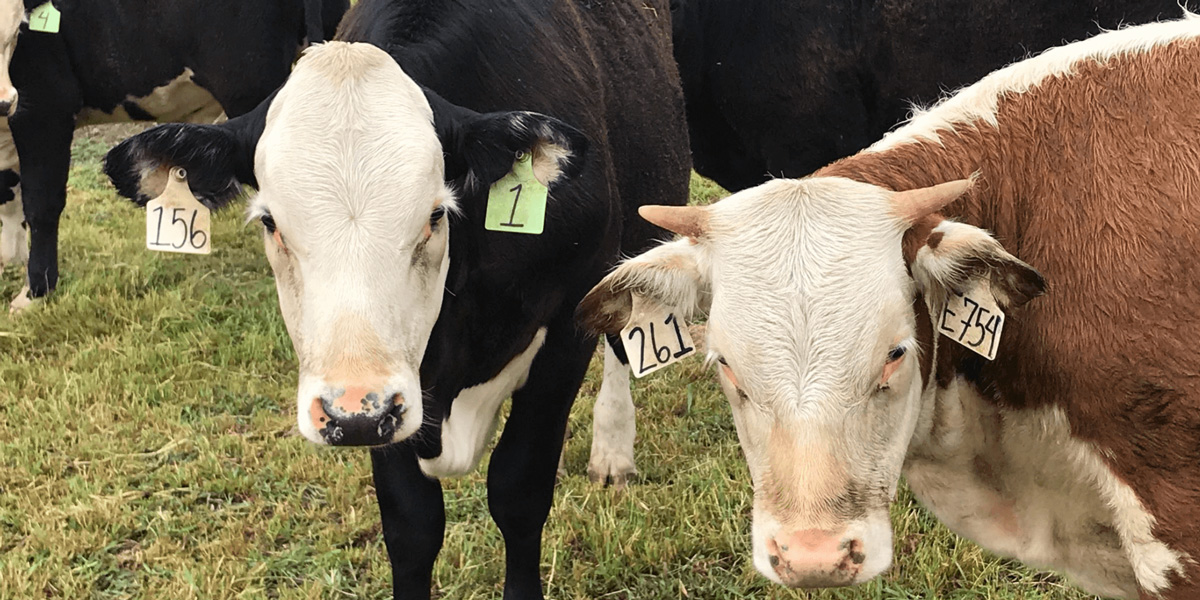
The European Food Safety Authority (EFSA) sees no new risks from the use of new genetic engineering techniques on animals. Its draft scientific opinion is available for comment until 19 March. Testbiotech has criticised the “wrong approach”.
In a joint statement, more than 200 organisations bringing together small-scale and organic breeders, farmers’ organisations, food retailers, and civil society groups —including Save Our Seeds — are urging the EU institutions to reject the proposed deregulation of gene-edited plants.
Deregulating new GMOs will cause problems for farmers and breeders. These problems include biopiracy, increased risk of lawsuits against farmers and breeders, administrative burden due to legal uncertainty, increased production costs, risk of losing their business, reduced seed variety and increased vulnerability to pests and diseases.
Berlin and Brussels, 23 January 2025 – A new report released today by Save Our Seeds highlights the increasing use of generative Artificial Intelligence (AI) in the development of genetically modified (GM) plants, raising significant new concerns about their safety.