An interview by Judith Duesberg of GeN – the Gen-ethical Network – with Peter Wohlleben.
A holistic perspective on the environmental release of genetically engineered bacteria.
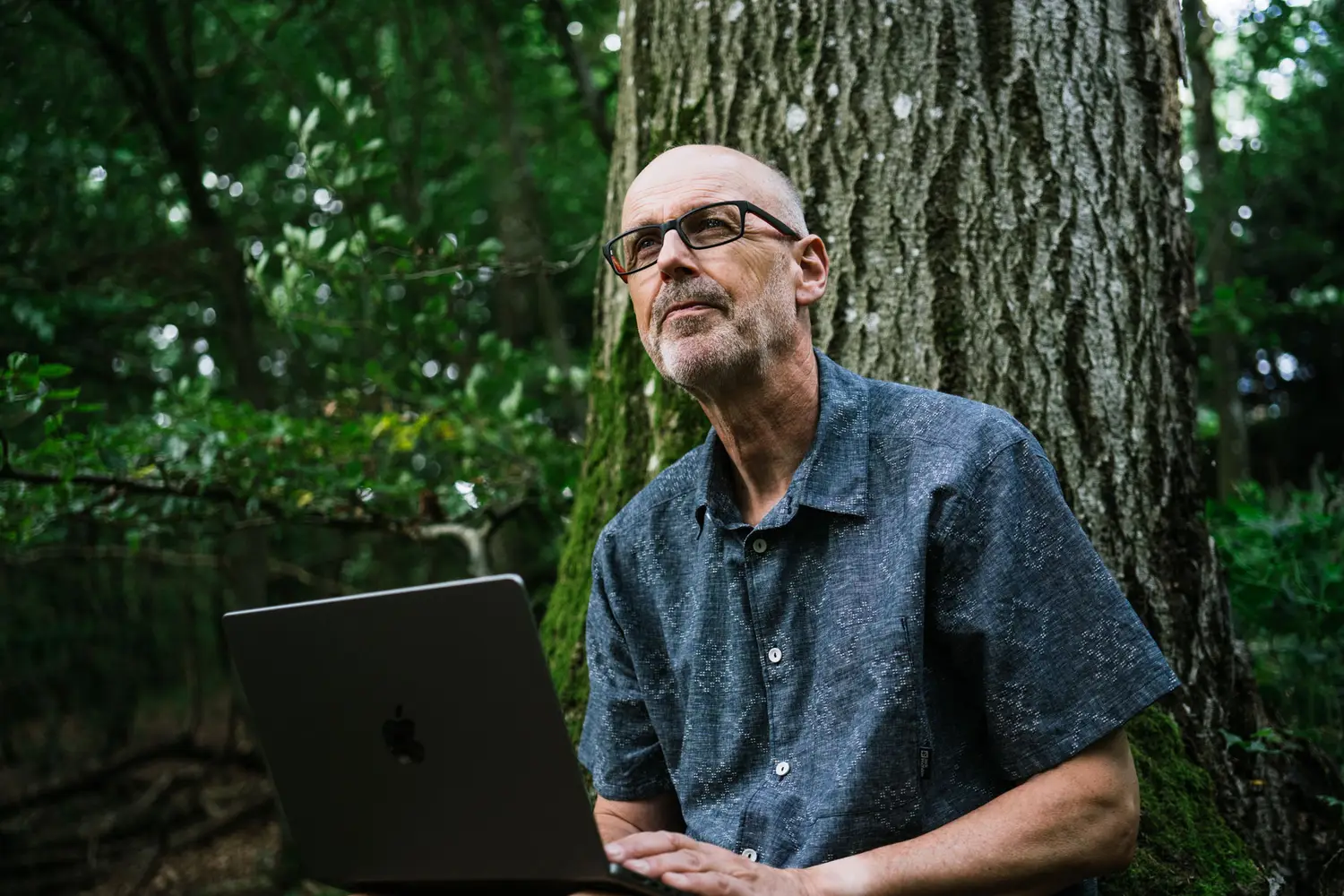

An interview by Judith Duesberg of GeN – the Gen-ethical Network – with Peter Wohlleben.
A holistic perspective on the environmental release of genetically engineered bacteria.

In a statement published on 13 October 2026 in the prestigious French newspaper Le Monde, 62 researchers, including ecologists and evolutionary biologists, warn that the European Commission’s proposals risk changing “our relationship with the living world.”
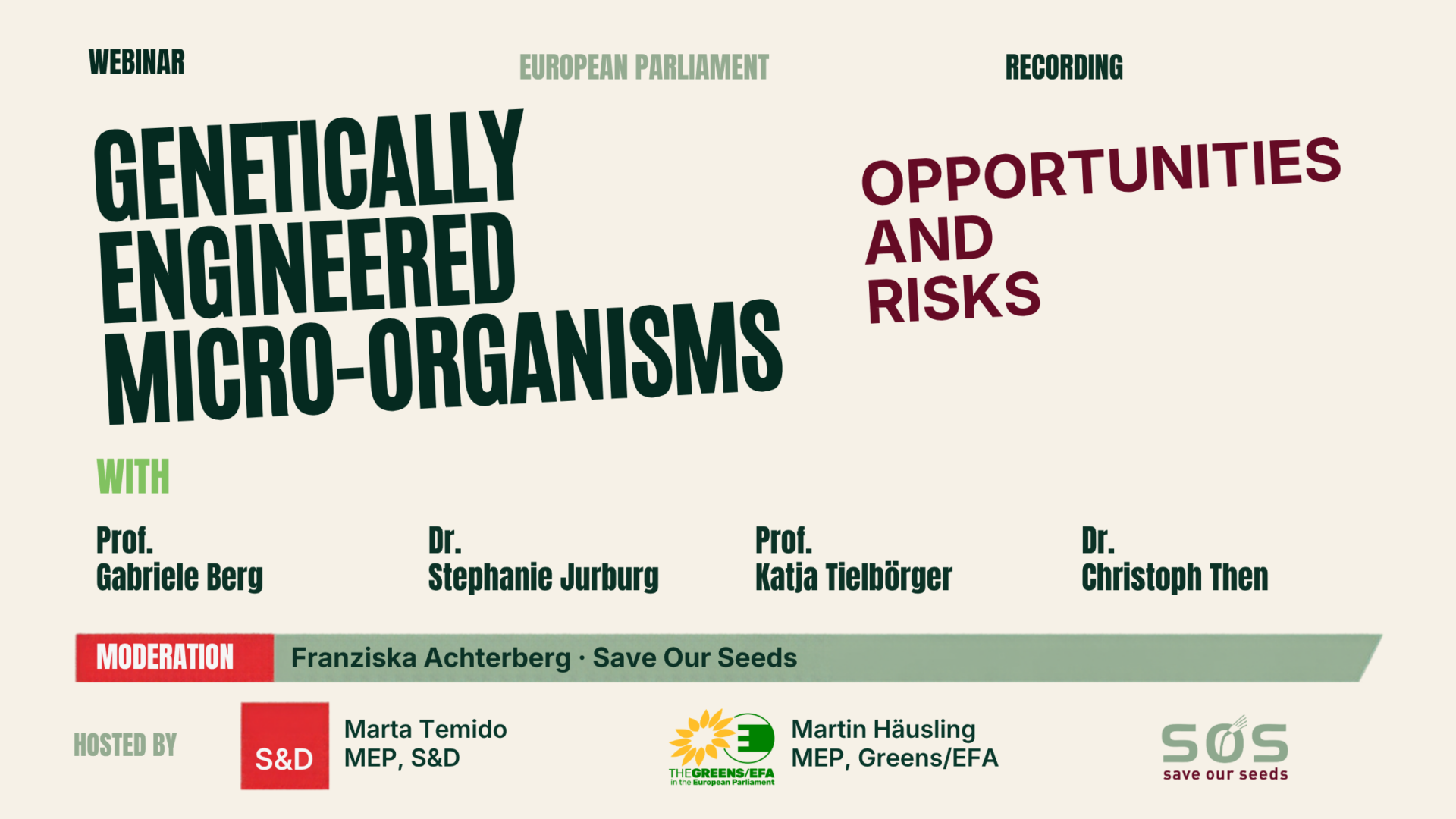
On 7 October, MEPs Marta Temido (S&D) and Martin Häusling (Greens/EFA) held discussions with four scientists specialising in microbiology and ecology on the topic: Genetically Engineered Micro-Organisms – Opportunities and Risks.
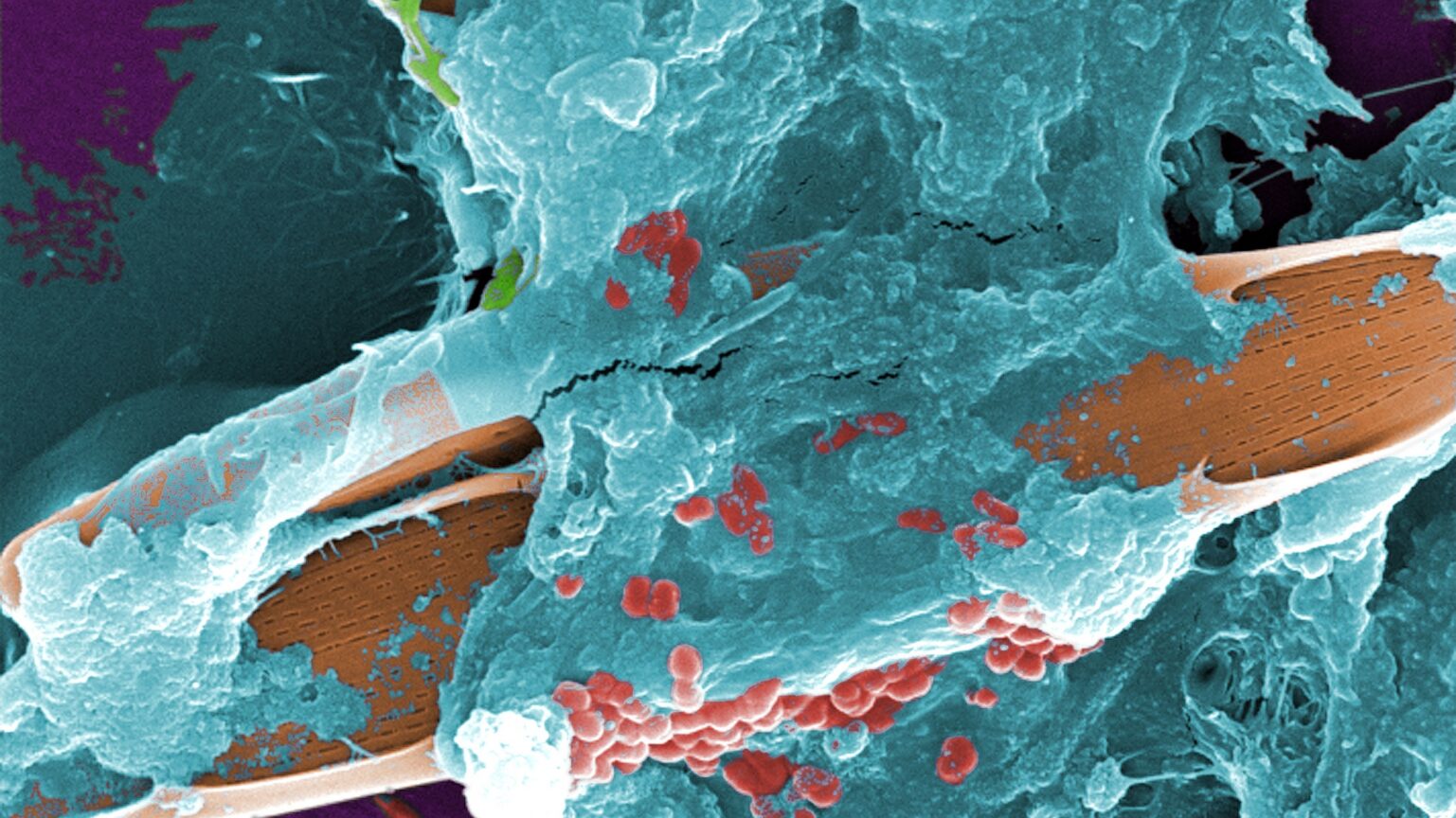
Today, 36 civil society organisations from 12 countries urged MEPs to reject plans to weaken EU safety requirements for the environmental release of genetically modified microorganisms (GMMs), including bacteria, yeasts, algae and viruses. The appeal follows a similar call from European ecological scientists to maintain strong safeguards.
BiomElix One is a feed additive made of live, genetically engineered bacteria, fed to chickens (approved only in Brazil) to reduce Salmonella contamination. It works by transferring engineered DNA to bacteria in the chicken gut. Each transfer creates a new, living genetically modified organism that could potentially remain in chicken meat for sale.
The EU is moving towards weaker rules for genetically modified microorganisms (GMMs) deliberately released into the environment. The Commission says EU GMO regulations are blocking access to products available elsewhere. But the global market for environmental GMMs is tiny, their benefits remain uncertain, and scientists warn that environmental releases could pose risks that are difficult to predict, control or reverse.
Lumina — a genetically modified mouth bacterium designed to spread and permanently colonise the human mouth is already being sold commercially. The producer of this high-risk GM microbe has taken great lengths to avoid scrutiny by regulatory authorities.