In its response to a parliamentary question, the European Commission has made clear that it no longer intends to take the lead in investigating whether unauthorised genetically modified microorganisms (GMMs) could enter the EU through imports. Meanwhile, a Commission proposal to weaken existing safeguards for the environmental release of GMMs is advancing through the EU legislative process, with the European Parliament due to vote on it next week. Scientists and citizens have opposed the proposed changes.
Commission unconcerned about unauthorised GMO imports
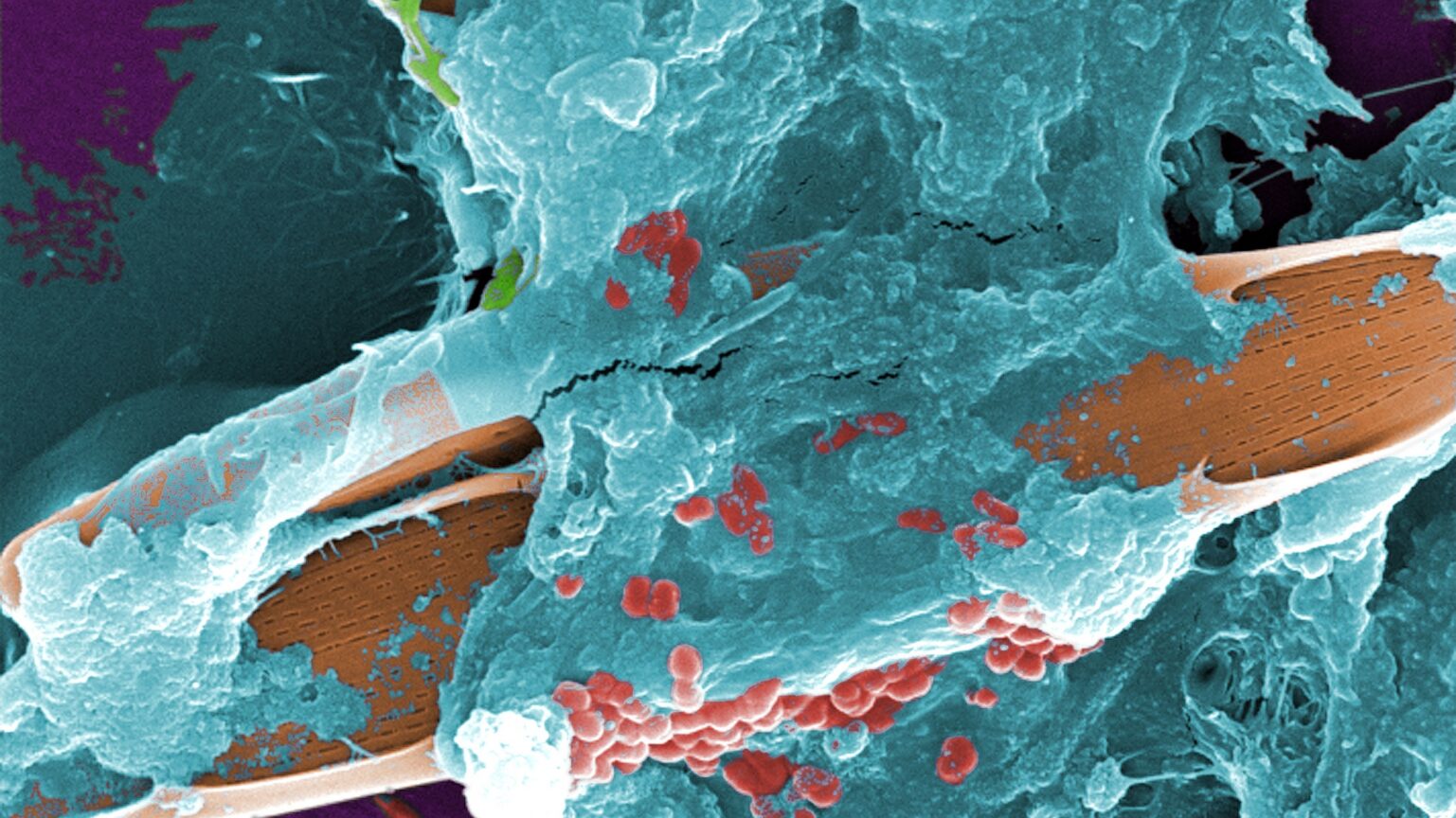
The Commission’s new hands-off approach is apparent from its answer to a parliamentary question concerning BiomElix® One, a feed additive based on genetically modified bacteria. The product is designed to spread engineered CRISPR-carrying plasmids – small, circular pieces of replicating DNA – through the bacterial communities in chicken guts. When these engineered plasmids enter Salmonella bacteria, they cut the bacteria’s chromosomal DNA and kill them. In other bacteria, they do not cut the chromosomes. However, each successful transfer of an engineered plasmid creates a new, living genetically modified microorganism. BiomElix® One has been approved in Brazil since December 2024.
An MEP asked whether the Commission considered that “any living modified organism carrying genetically modified plasmids in Brazilian poultry imports [into the EU] constitutes an unauthorised release”. Rather than addressing this question, the Commission replied that the fact that “feed additives contain a modified plasmid does not per se render animals fed with that feed additive a GMO”.
The Commission also said it had not discussed “this specific feed additive” with Member States or the Brazilian authorities, and gave no indication that it intended to do so. Instead, it emphasised that “operators within and outside the EU bear primary responsibility” for compliance with the rules, while “Member States are responsible for import controls”.
This contrasts sharply with past approaches when the Commission took up such concerns itself with exporting countries. In June 2014, after GeneWatch UK raised concerns about unauthorised GM insects in fruit imported from Brazil, the Commission requested information from the Brazilian authorities on how they would ensure the insects were not exported to the EU.
Existing EU protections for GM microbes under threat
In December 2025, the Commission proposed to dismantle some of the existing GMO rules specifically for GMM products released into the environment. Under the proposal, GMMs would be subject to a lighter pre-market risk assessment, and requirements for detection methods and post-market monitoring could be waived in some cases. EU GMM authorisations would no longer be reviewed regularly but would instead be valid for an unlimited duration. The authorisation of certain GMMs would be fast-tracked based on the assumption that they pose “low risk”.
The European Parliament, whilst agreeing on the principle of weakening existing safeguards, is not prepared to go quite so far. In a committee vote on 10 November, MEPs voted to maintain detectability and post-market environmental monitoring for all EU-authorised GMMs, and to review all EU GMM authorisations after the first 10 years. MEPs also voted to reduce the scope of GMMs eligible for a fast-track authorisation procedure.
The Parliament’s plenary will vote on the new rules on 25 November. Save Our Seeds, alongside many other organisations, has called on MEPs to reject the proposed weakening of EU safeguards. EU ministers had already agreed on the Council’s position in June, making only limited changes to the Commission proposal.
German scientists warn against lowering safety standards
The Association of German Scientists (VDW) has now issued a statement opposing lower safety standards for the environmental release of GMMs. According to the scientists, GMMs must not be released into the environment without an independent, case-by-case risk assessment, mandatory long-term environmental monitoring and time-limited authorisations. This is because GMMs can reproduce, establish themselves in ecosystems and potentially transfer genetic material to other organisms. Once released, their spread may be impossible to reverse.
The VDW’s concerns echo those of European ecological scientists and a group of mostly French scientists who have urged the EU, in an appeal published in the French newspaper Le Monde, to suspend the debate on the proposed law and broaden the debate before considering any weakening of existing standards (English version here).
What happens next?
The European Parliament is due to vote on its position on the proposed rules on 25 November in Strasbourg. Once Parliament has adopted its position, negotiations between Parliament, the Council and the Commission – known as trilogue talks – will begin to agree on the final text.
Save Our Seeds, together with almost 20 partner organisations from several EU countries, has launched a joint petition calling for robust safeguards against the release of GMMs into the environment. We will bring the petition, alongside the concerns raised by scientists, to EU decision-makers. Our message is clear: when environmental impacts could be irreversible, precaution must come first.
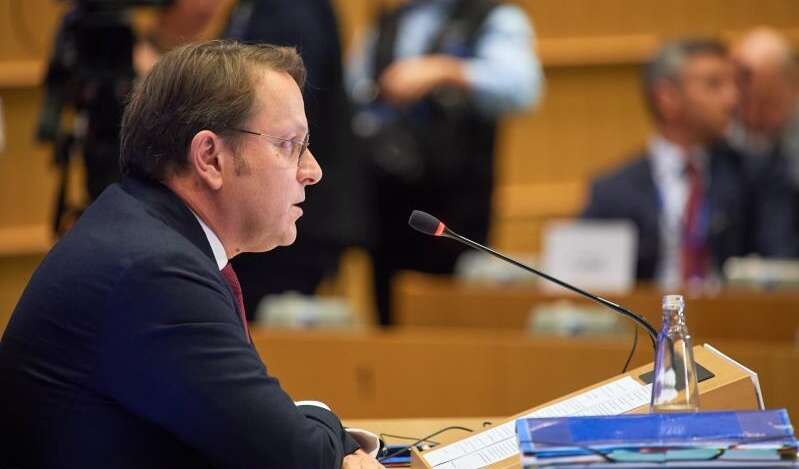
The image image shows Olivér Várhelyi, European Commissioner for Health and Animal Welfare
Photo © European Union, 2026, licensed under CC BY 4.0