That’s the message on proposals to relax the current rules on releasing genetically modified bacteria and viruses into the European environment.
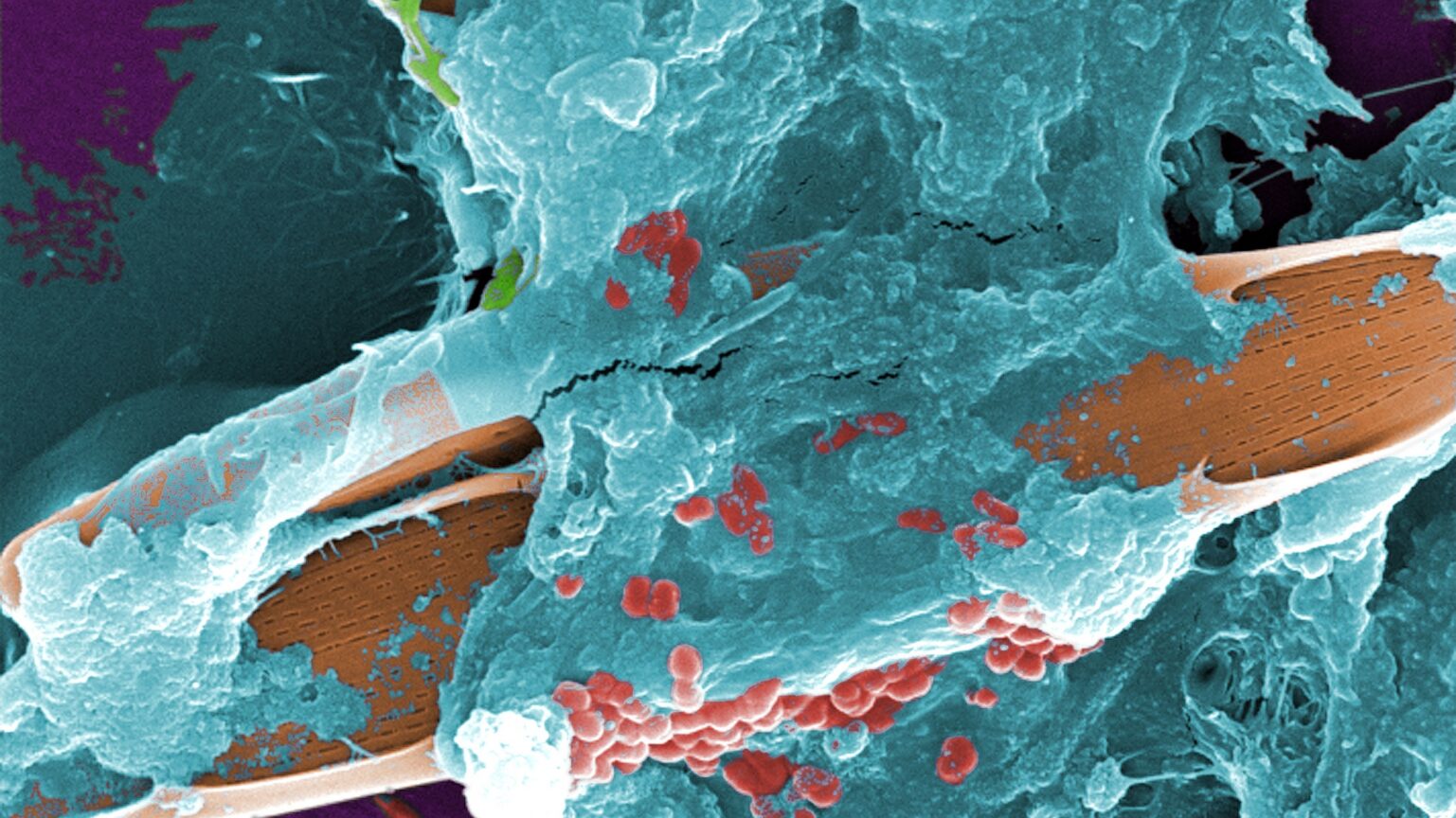
Microbes multiply fast, swap genes and can’t be called back once released into the European environment. Yet the European Union is considering relaxing the existing rules on releasing genetically modified micro-organisms, such as bacteria and viruses, into the environment.
In a statement published on 13 October 2026 in the prestigious French newspaper Le Monde, 62 researchers, including ecologists and evolutionary biologists, warn that the European Commission’s proposals risk changing “our relationship with the living world.” So far the signatories are French researchers, with ecologist Prof. Katja Tielbörger (University of Tübingen) as the exception. The call is open for additional signatures.
The scientists point out that the proposal was put forward without an impact assessment, driven by “a logic of regulatory acceleration,” and call for the EU Commission to “recommit to genuine democratic rigour by opening a broadly accessible reflection involving all components of society before any political decision that durably shapes our relationship with the living world.” They urge the European Commission and Members of the European Parliament to pause, to “think more calmly and broadly about the consequences” and to open a broad public debate before deciding.
Prof. Tielbörger sums up why genetically modified microbes need careful ecological risk assessment:
“Microbes don’t stay what they are — they evolve rapidly.”
“They don’t stay where they are — they spread over long distances.”
“They don’t stay who they are — they exchange genes with other organisms.”
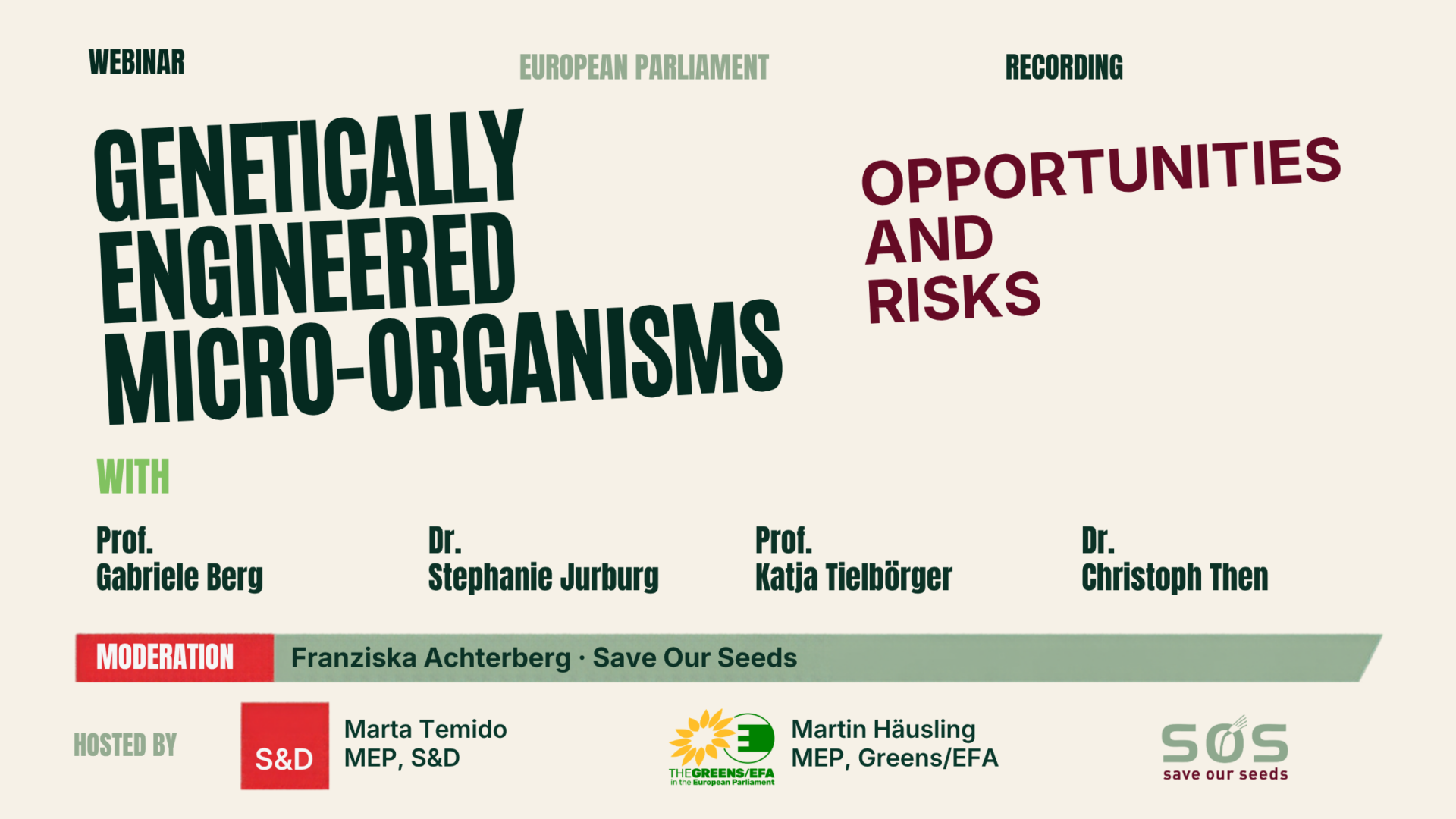
At a recent webinar she also warned that “static safety categories are completely immaterial for dynamic, unpredictable [microbial] living systems.”
Like her fellow Le Monde signatories, Prof. Tielbörger is calling for careful, case-by-case assessment and monitoring, as European Union law requires today.
European Parliament votes: November 2026.