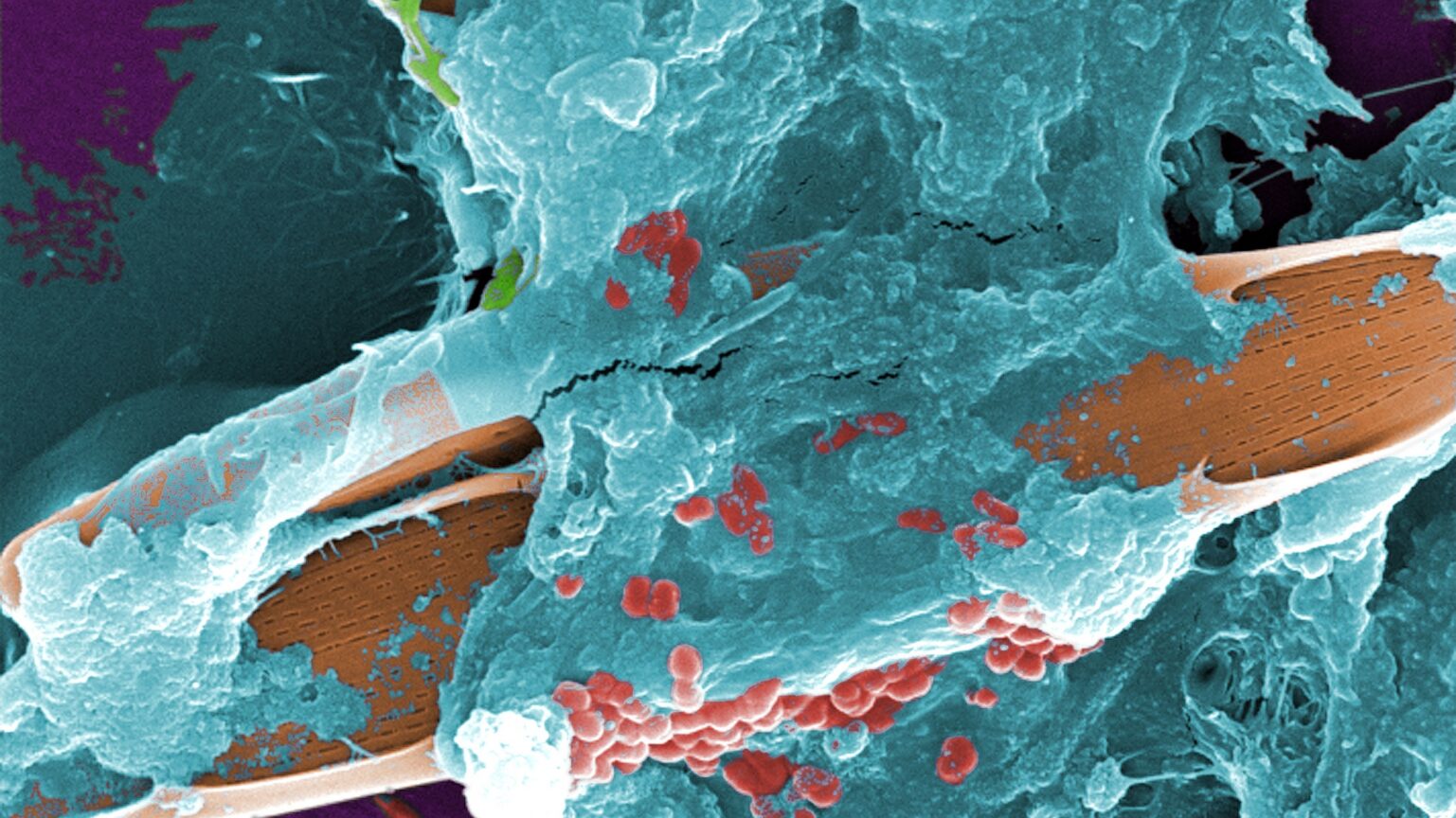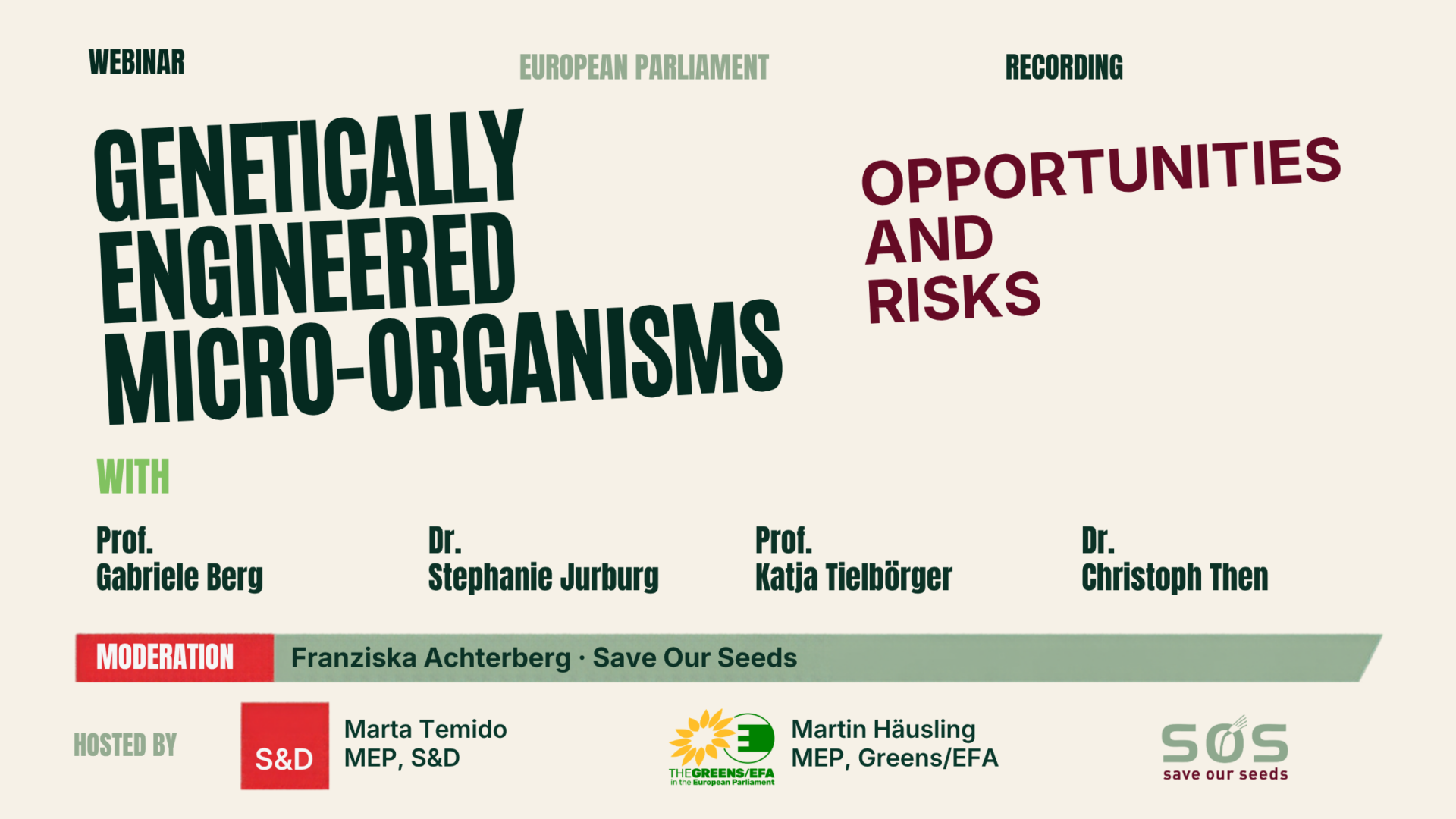
Genetically engineered microorganisms have been proposed for many applications in the environment – as fertilisers and biocontrol agents in agriculture, in mining and cosmetics and for cleaning up pollutants.
The European Parliament is currently discussing how the EU should regulate these applications.
Microorganisms behave very differently from plants. Once outside the lab, they can multiply rapidly, spread over long distances, and exchange genes with other species. If they become established in open ecosystems, including in our own bodies, they may persist there indefinitely, whether or not that was the intention.
So how can we predict what they will do once released? And how can we ensure that releases remain safe and under control?
On 7 October, MEPs Marta Temido (S&D) and Martin Häusling (Greens/EFA) discussed these questions with four scientists working in microbiology and ecology:
→ Prof Gabriele Berg, TU Graz
→ Dr Stephanie Jurburg, Helmholtz Centre for Environmental Research (UFZ)
→ Prof Katja Tielbörger, University of Tübingen
→ Dr Christoph Then, Testbiotech
Our colleague Franziska Achterberg moderated this discussion. Nearly 100 people joined the webinar.
Presentations
Slides as PDF’s
Prof. Gabriele Berg, Graz University of Technology
Dr. Stephanie Jurburg, Helmholtz Centre for Environmental Research (UFZ)