The European Parliament has voted to weaken EU rules governing the environmental release of genetically modified microorganisms (GMMs), despite warnings from scientists about the risks this could pose to people and ecosystems. While MEPs have retained some important safeguards, their decision marks a step towards lowering existing EU safety standards.
Unlike GM plants, microorganisms can multiply rapidly, exchange genetic material and interact with complex microbial communities. The consequences of releasing them into the environment are particularly difficult to predict, monitor or reverse, given the enormous gaps in scientific knowledge about microbial life.
Parliament backs weaker rules, retains some safeguards
In December 2025, the European Commission proposed a major rollback of EU safeguards for genetically modified microorganisms (GMMs). The plans include reduced risk assessments, exemptions from detection and post-release monitoring requirements, an end to regular reviews of EU authorisations and a fast-track route for GMMs classified as “low risk”.
The European Parliament has backed a weakening of existing safeguards, while retaining some important protections. MEPs voted to maintain detectability and post-market environmental monitoring for all EU-authorised GMMs, and to review authorisations after an initial ten-year period. Indefinite authorisations would only be possible upon renewal. Parliament also voted to narrow the range of GMMs eligible for fast-track approval and allow Member States to ban GMMs authorised at EU level.
“We still know far too little about these complex ecosystems”
Scientists from across Europe have repeatedly cautioned against relaxing the rules governing the environmental release of GMMs. They warn that GM microbes could spread, transfer genetic material and cause irreversible ecological damage.
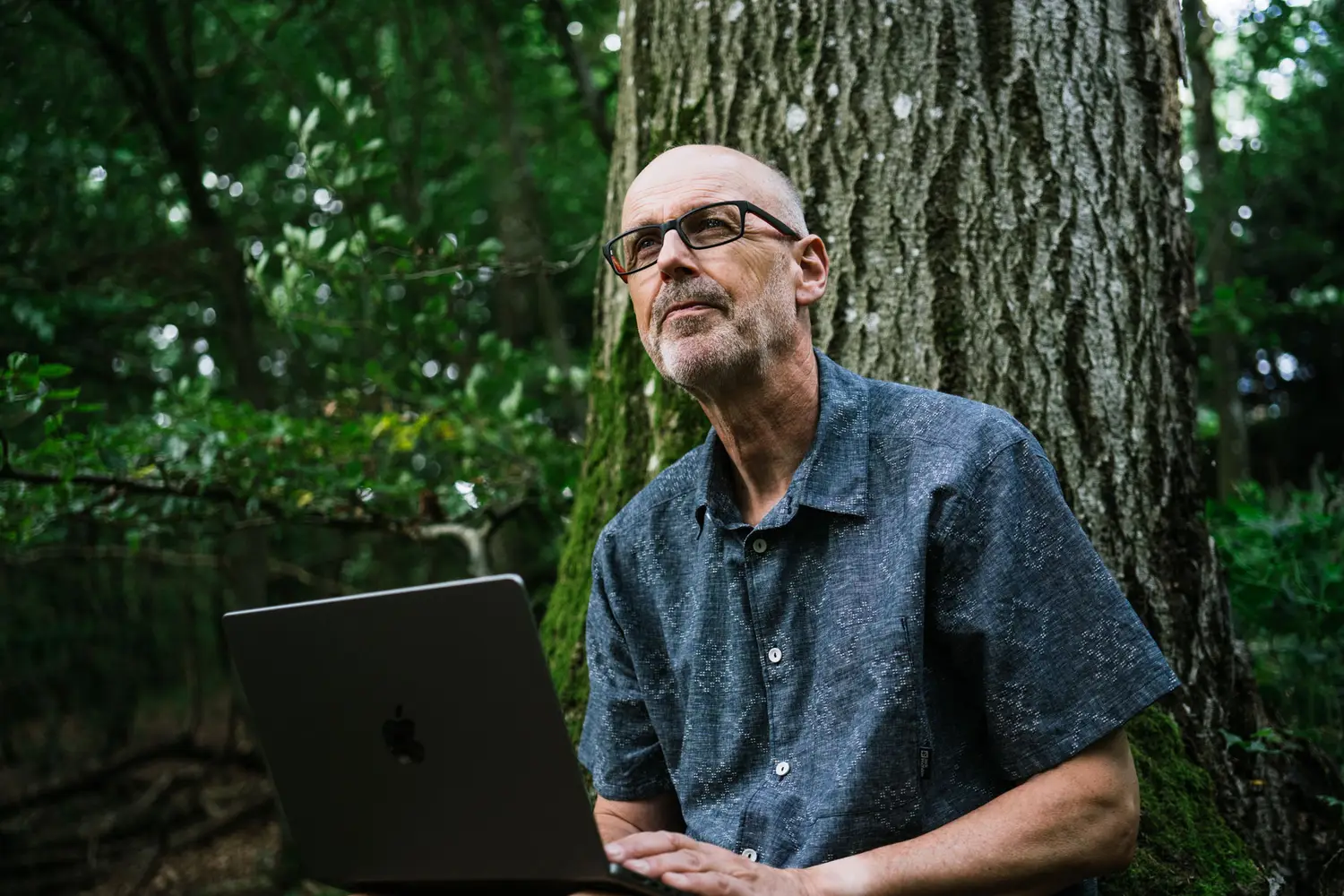
In an interview with DIE ZEIT on 22 November 2026, microbiologist Gabriele Berg, Professor of Environmental Biotechnology at Graz University of Technology, explained why releasing GMMs into the environment is particularly problematic. Microbial communities are extraordinarily diverse and complex, and scientists still have a very limited understanding of how they function. As Berg puts it: “We are interfering with highly complex ecological systems that we still know far too little about and that are already damaged in many places.”
Berg points out that microbial communities, plants, insects and other organisms in an ecosystem have often evolved together over hundreds of millions of years. GM microorganisms, by contrast, can introduce new characteristics very rapidly into these established relationships. We should always assess the risks of potential unforeseen consequences.
Berg also highlights the possibility of horizontal gene transfer, through which microorganisms exchange genetic material across species boundaries. New characteristics of a GM microorganism could therefore easily be transferred to organisms that were not intended to receive them.
Read the full interview with Gabriele Berg in DIE ZEIT (in German).
Other scientists and scientific organisations have also called for existing safeguards to be maintained:
- European Ecological Federation (EEF) and the Ecological Society of Germany, Austria and Switzerland (GFÖ)
- Federation of German Scientists (VDW)
- European Network of Scientists for Social and Environmental Responsibility (ENSSER)
All three organisations call for rigorous, case-by-case risk assessments before environmental release and long-term monitoring afterwards.
What happens next?
With Parliament having adopted its position, negotiations between the European Parliament, the Council and the European Commission – known as trilogue negotiations – will now begin to determine the final text of the legislation. The first meeting is scheduled for 7 December.
Save Our Seeds, together with environmental and agricultural organisations across Europe, will continue to advocate for strong safeguards on the environmental release of GM microorganisms.
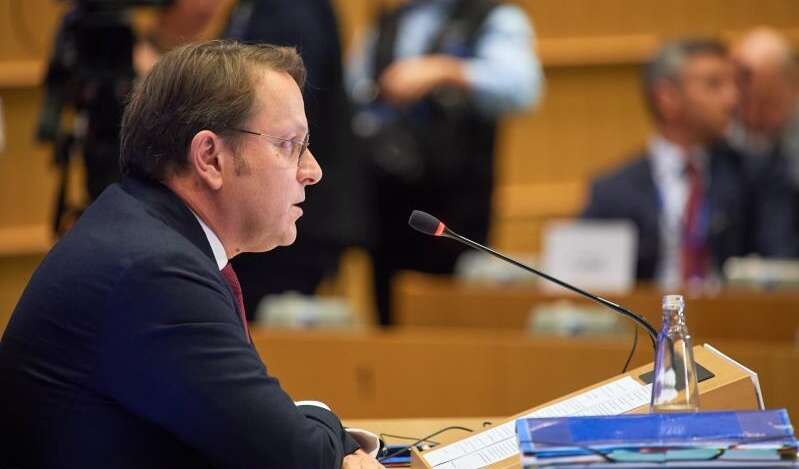
Image © European Union, 2026
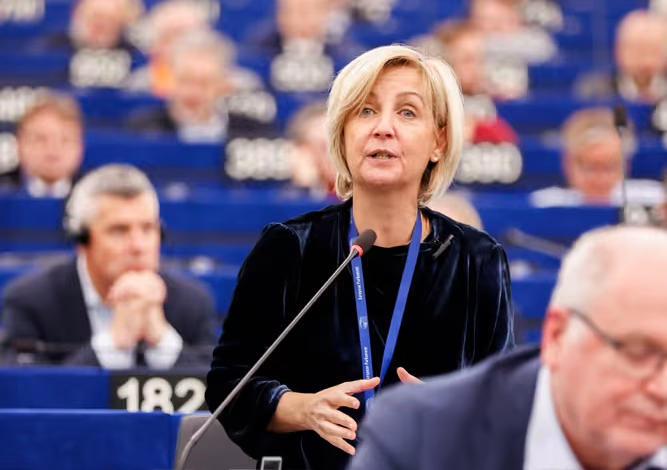
The image shows Parliament rapporteur Marta Temido (Socialists and Democratis, Portugal) during the voting session.