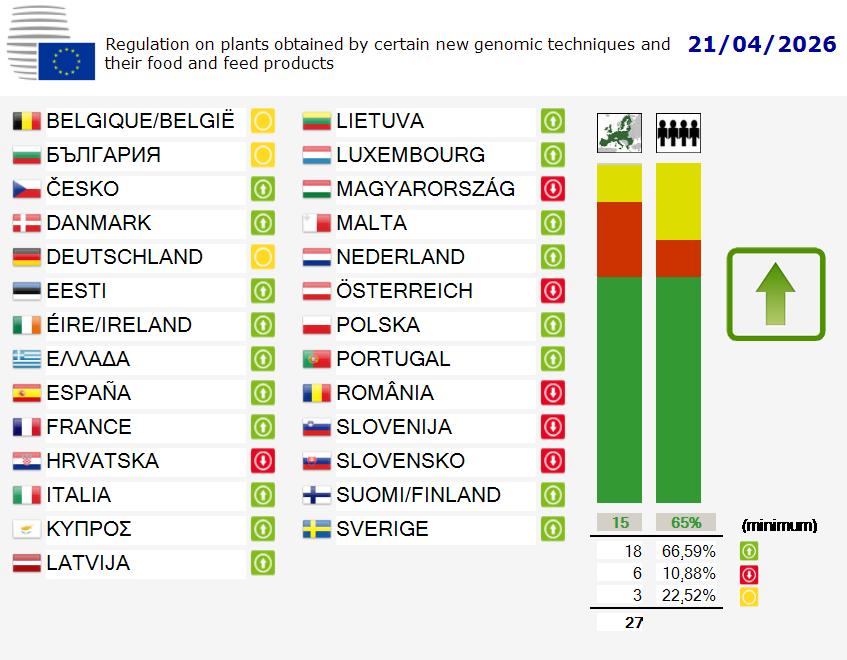
On 21 April, the Council of Ministers formally adopted the outcome of trilogue negotiations on the EU’s proposed new legislation for genetically modified plants developed with so-called new genomic techniques (NGTs).
The decision was approved as an A point by the Foreign Affairs Council, meaning it passed without debate. The outcome confirms the same voting positions already expressed during the informal adoption in December: Croatia, Hungary, Austria, Romania, Slovenia and Slovakia voted against, while Belgium, Bulgaria and Germany abstained.
The formal Council approval now shifts political attention to the European Parliament, which is expected to hold a decisive plenary vote on 19 May.
Many reasons not to support the deal
Several governments made clear that their opposition was not symbolic. Croatia, Hungary, Austria, Slovenia and Slovakia all submitted written statements explaining why they could not support the negotiated text.
All five governments criticised the lack of consumer labelling for Category 1 NGT products. Slovakia made this its central objection, stating that the failure to label Category 1 NGT plants and their products limits “consumer’s right to make an informed choice”.
Croatia, Hungary, Austria and Slovenia all argued that the text fails to respect the EU precautionary principle. Austria, Hungary and Slovenia specifically criticised the lack of risk assessment requirements. Austria also stated that the equivalence criteria used to exempt many GM plants from EU GMO rules “do not have a scientific basis”.
Austria questioned how the GMO ban in organic production could be implemented “without incurring substantial additional costs for those in the agricultural sector”. Croatia warned that there are “no measures in place to prevent potential environmental contamination by NGT plants and no compensation mechanisms in case of harm, especially in relation to organic production”.
Several governments also objected that Member States would lose the ability to restrict or prohibit cultivation of these GM plants on their own territory.
Hungary stated that the proposal fails to ensure “compliance with Hungary’s international treaty obligations,” likely referring to the Cartagena Protocol on Biosafety under the UN Convention on Biological Diversity. Hungary had earlier raised this point under its EU Presidency. Austria explicitly said the lack of risk assessment was “contrary” to the Cartagena Protocol.
Patents still unresolved
Another major controversy remains unresolved: patents on genetically engineered plants and traits.
In an accompanying statement, the European Commission merely repeated measures already contained in the trilogue text. These include promises to monitor impacts on smaller breeders, to support a “code of conduct” for patent holders and voluntary licencing platforms, and to offer guidance to smaller breeders.
Austria stated that these patent provisions “neither address the fundamental concerns surrounding this issue nor provide legal certainty”. It warned that patenting could still force small and medium-sized breeding companies out of the market.
Growing resistance in Germany
Concern over patents is also growing within Germany. Norbert Lins, one of the CDU/CSU’s leading agricultural voices in the European Parliament, together with ten colleagues, recently urged the Commission to ensure that genetic traits that occur naturally or can be achieved through conventional breeding should not be patentable.
In a joint letter, they said the patenting provisions in the trilogue deal did “not replace a clear political and legal solution” and called on the Commission to revise EU patent law.
Even the German Farmers’ Association (DBV), generally supportive of new GM techniques, said the trilogue outcome crossed “a clear red line”. A spokesperson warned that expanding patent control could far outweigh any hoped-for benefits of improved plant varieties.
Parliament vote could reopen negotiations
The European Parliament still has the power to reject or amend the trilogue deal. The plenary vote is currently pencilled in for 19 May.
Christophe Clergeau, shadow rapporteur for the Socialists & Democrats group, has already announced plans to table amendments on patents. If adopted, this would reopen negotiations between Parliament, Council and Commission.
In February 2024, the European Parliament had voted on a full ban on patents. The relevant amendment, which sought to amend the EU Biotech Directive, received almost universal support. Nevertheless, that demand was dropped during trilogue talks.
Public opposition intensifies
The upcoming Parliament vote may be the last chance to improve a deal that would harm farmers, breeders, consumers and the environment.
As we argued elsewhere, the deal represents a political choice to eliminate transparency, obscure risks and shift control of the food system into the hands of a small number of corporations.
Save Our Seeds, together with partner organisations, is urging citizens across Europe to contact their Members of the European Parliament and ask them to reject the deal in its current form. More than 40,000 people have already taken action.
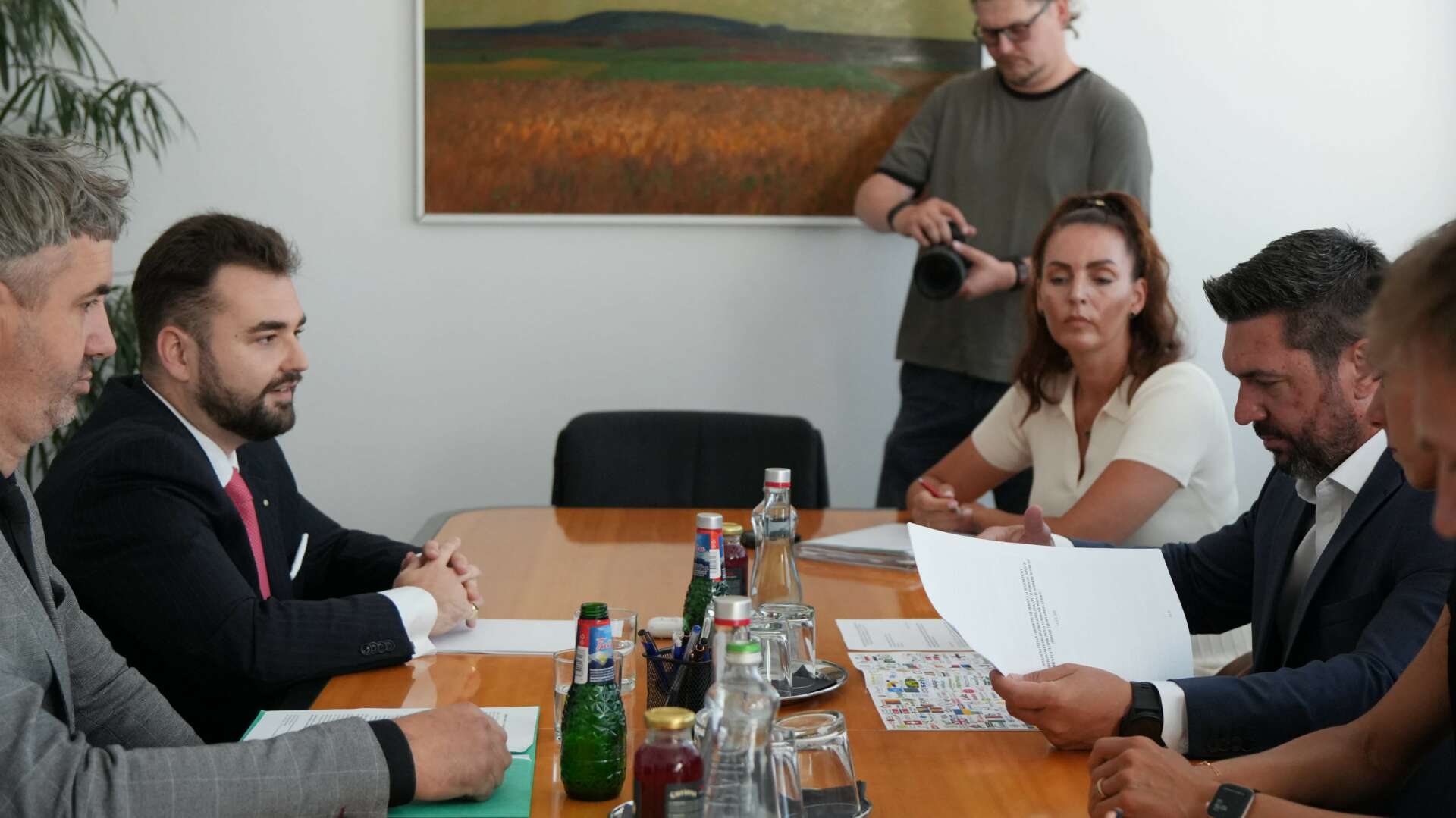
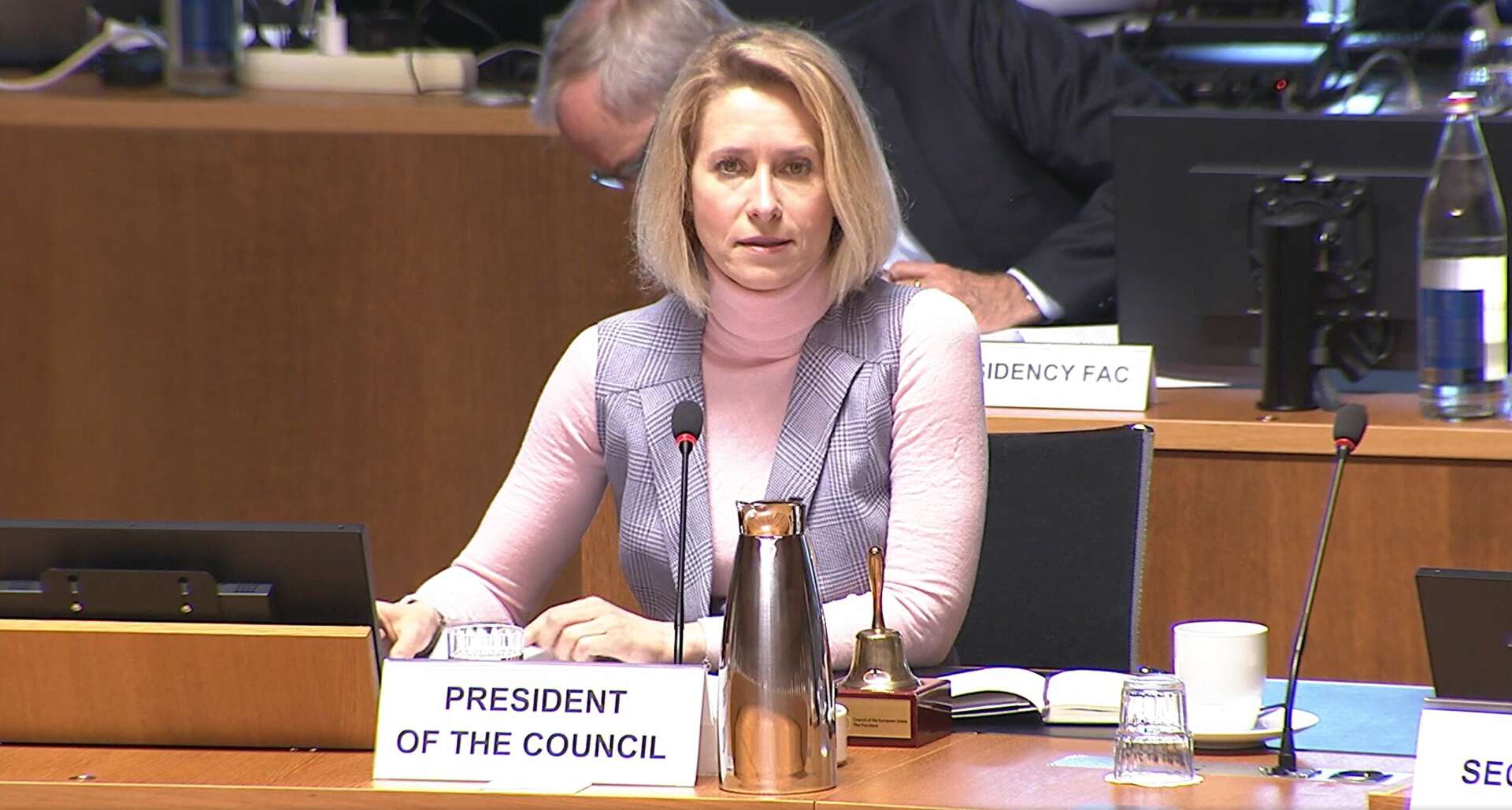
Image © European Union. Kaja Kallas, EU High Representative for Foreign Affairs, presents the A points.