
BiomElix One is a feed additive made of live, genetically engineered bacteria, fed to chickens (approved only in Brazil) to reduce Salmonella contamination. It works by transferring engineered DNA to bacteria in the chicken gut. Each transfer creates a new, living genetically modified organism that could potentially remain in chicken meat for sale.

Lumina — a genetically modified mouth bacterium designed to spread and permanently colonise the human mouth is already being sold commercially. The producer of this high-risk GM microbe has taken great lengths to avoid scrutiny by regulatory authorities.

Brussels, 19 December 2025 – A qualified majority of EU Member States today backed the deregulation of genetically modified (GM) plants produced using so-called new genomic techniques (NGTs). Austria, Belgium, Bulgaria, Croatia, Germany, Hungary, Romania, Slovakia, and Slovenia did not indicate support during this morning’s meeting of the Committee of Permanent Representatives (COREPER) in Brussels.
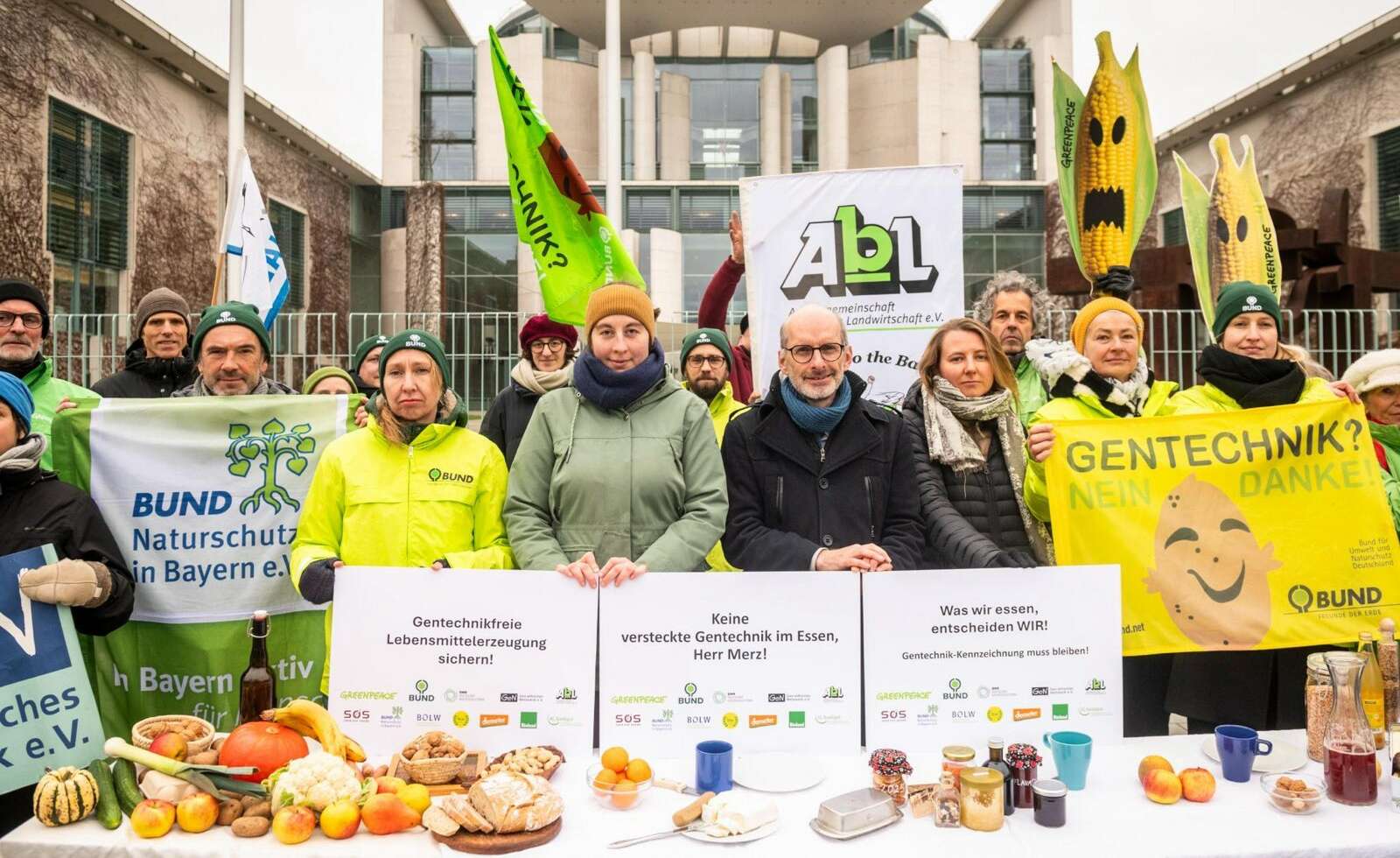
Berlin, 2 December 2025 — An alliance of environmental and farming organisations protested today outside the Federal Chancellery against plans to deregulate genetically modified plants created with new genetic modification (GM) techniques. The groups urged the German government to reject any deal emerging from tomorrow’s EU trilogue negotiations unless essential safeguards are included.
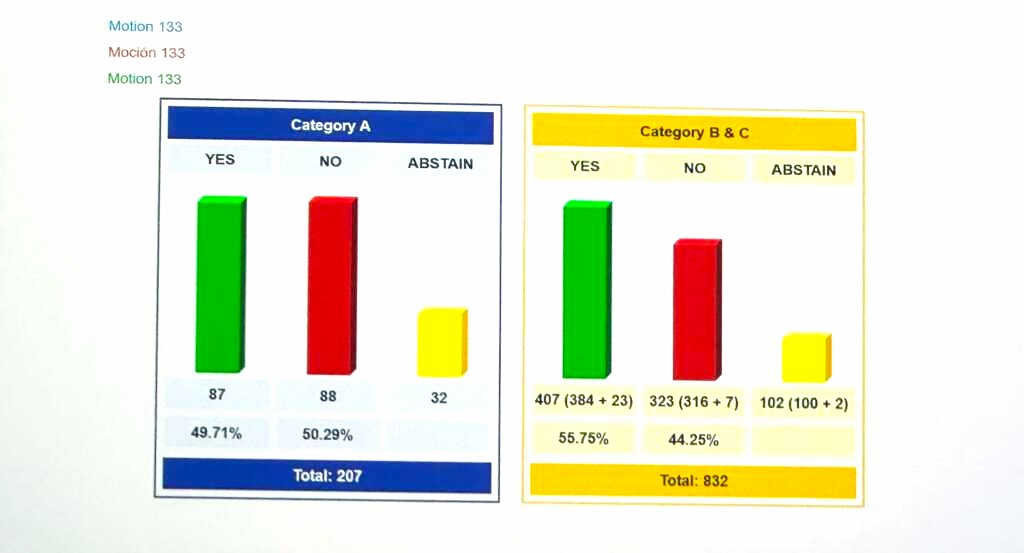
Abu Dhabi, 15 October 2025 — In a widely anticipated but deeply concerning decision, IUCN members have implicitly endorsed the use of genetic engineering in nature conservation — despite insufficient scientific evidence and the absence of effective regulations to manage its risks.

Abu Dhabi, 8 October 2025 – The world’s most influential nature conservation organisation will decide whether to promote genetic engineering as a tool for nature conservation at this year’s IUCN World Conservation Congress in Abu Dhabi, United Arab Emirates.
As stakeholders in the agri-food sector, we call on EU policymakers to ensure the freedom of choice and rights for consumers, supply chain operators, farmers and breeders by upholding mandatory labelling of new GMOs obtained by new genomic techniques (NGTs) as well as traceability across the entire value chain.
The Commission’s proposed Regulation on plants obtained with New Genomic Techniques (NGT) aims to accelerate market access for the latest generation of GM plants and avoid consumer rejection of GM food. The proposal exposes consumers and the environment to unknown risks, jeopardises both organic and conventional GMO-free agricultural production and would lead to a surge of patented GM seeds. Without labelling of final products, consumers would be left in the dark.

Brussels, 14 March 2025 – The Council of Ministers today reached an agreement on a position regarding the deregulation of genetically modified (GM) plants. In the Committee of Permanent Representatives (COREPER), the Polish EU Presidency managed to secure a narrow majority for its proposal of 19 February.
Deregulating new GMOs will cause problems for farmers and breeders. These problems include biopiracy, increased risk of lawsuits against farmers and breeders, administrative burden due to legal uncertainty, increased production costs, risk of losing their business, reduced seed variety and increased vulnerability to pests and diseases.