
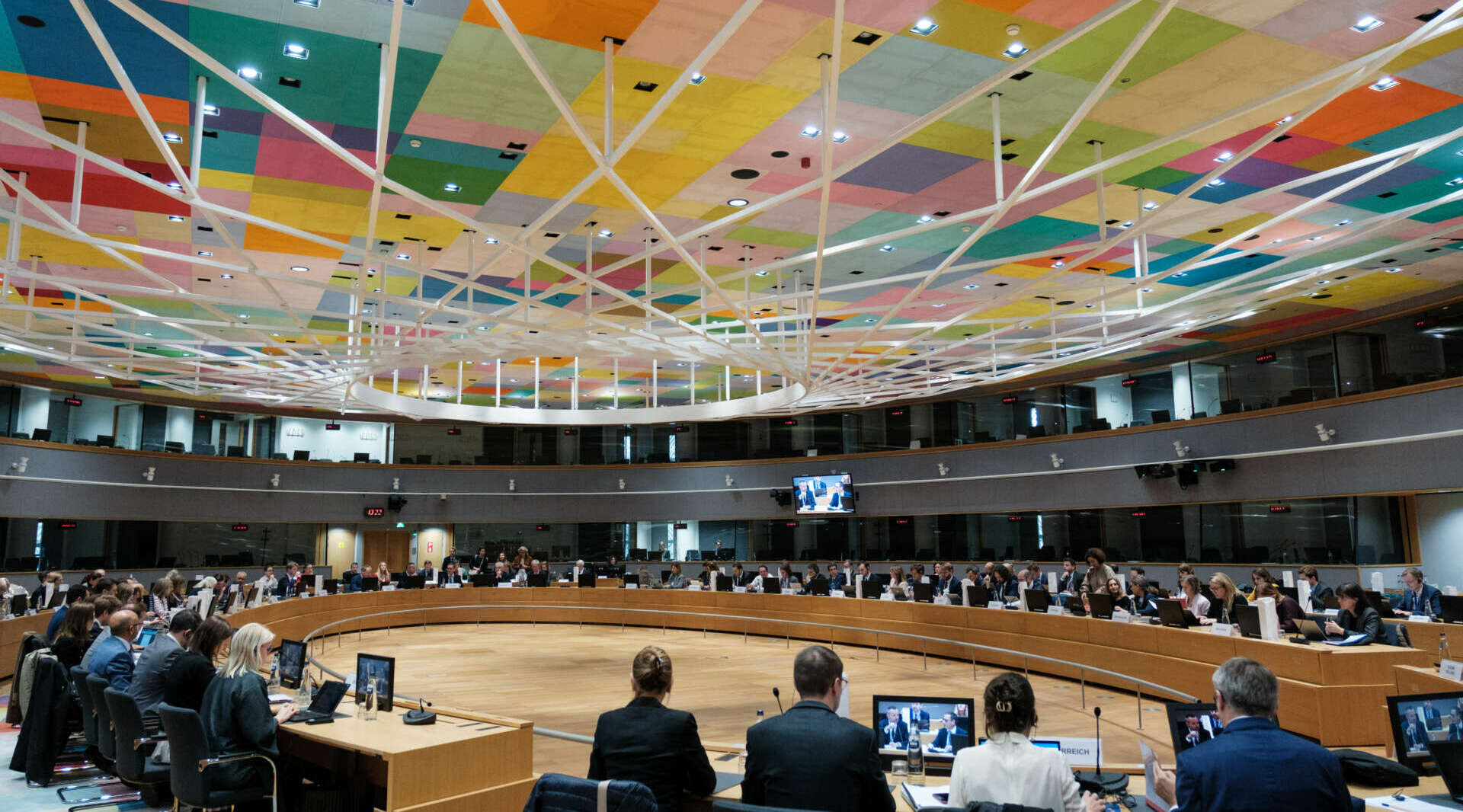
Brussels, 19 December 2025 – A qualified majority of EU Member States today backed the deregulation of genetically modified (GM) plants produced using so-called new genomic techniques (NGTs). Austria, Belgium, Bulgaria, Croatia, Germany, Hungary, Romania, Slovakia, and Slovenia did not indicate support during this morning’s meeting of the Committee of Permanent Representatives (COREPER) in Brussels.
Franziska Achterberg, Head of Policy at Save Our Seeds, commented:
Now it is confirmed: most EU governments want to allow untested and unlabelled GM plants to be released into the environment and onto our plates, putting both people and nature at risk. In doing so, they are siding with multinational biotech corporations – at the expense of farmers, the food sector, consumers, and the environment. It is now up to the European Parliament to reject this deal.
Since 2023, the EU has been discussing plans to deregulate genetically modified (GM) plants produced with so-called “new genomic techniques” (NGTs). The aim is to exempt most of these plants from existing EU requirements for GMOs, including mandatory consumer labelling, traceability, risk assessment, and the submission of analytical detection methods. At the same time, patenting would remain fully permitted.
Today, the Committee of Permanent Representatives (COREPER) held an informal vote on the outcome of the EU trilogue negotiations. The EU Council of Ministers must now formally confirm this vote at ministerial level. The European Parliament also still needs to approve the plans. The first vote in the Environment Committee is scheduled for January 2026, with a plenary decision likely to follow in March. Since most Social Democrats, Greens, and Left MEPs oppose GMO deregulation, a majority in Parliament can only be achieved with support of the far-right.
The European Commission has recently presented two proposals that would further weaken EU GMO regulations. On 16 December, it unveiled plans to exempt GM microorganisms used in fermentation processes from EU GMO rules, even if residues may still be present in the final product. In a separate proposal, the Commission aims to create a “low-risk” category of GM microorganisms released into the environment, which would be subject to reduced regulatory requirements.
Contact: Franziska Achterberg – Head of Policy and Advocacy at Save Our Seeds, +32 498 362403,
Save Our Seeds is a campaign run by the Foundation on Future Farming. Since 2002, it has successfully spearheaded efforts to avoid GMO contamination of seeds and maintain precautionary GMO legislation at national and EU levels. Current campaigns also include efforts to Stop Gene Drives.
Image © European Union. Meeting of Deputy Permanent Representatives in the Council building in Brussels.