News

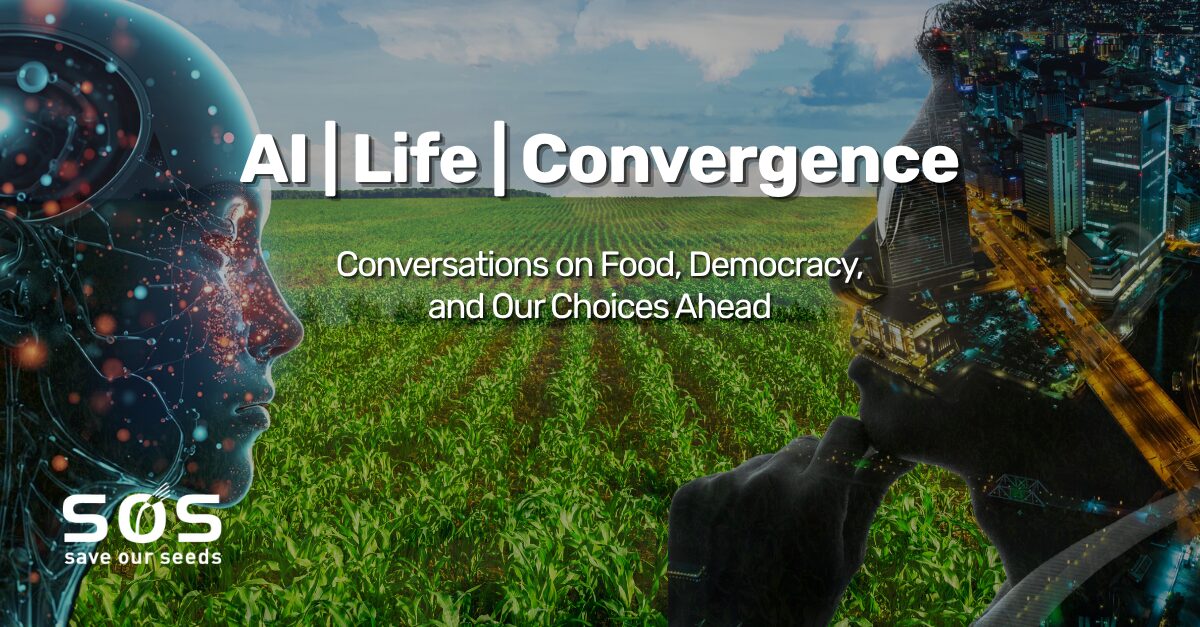
Arti­fi­cial intel­li­gence is no longer just trans­form­ing apps, office work, or search engines. It is increas­ing­ly begin­ning to reshape agri­cul­ture, food sys­tems, biol­o­gy, labour, and even liv­ing organ­isms them­selves. Yet these devel­op­ments are rarely dis­cussed togeth­er. This event series, host­ed by Save Our Seeds togeth­er with peo­ple from the AI, sci­ence, envi­ron­men­tal and civ­il soci­ety com­mu­ni­ties, cre­ates space for exact­ly these con­ver­sa­tions.

Continue Reading

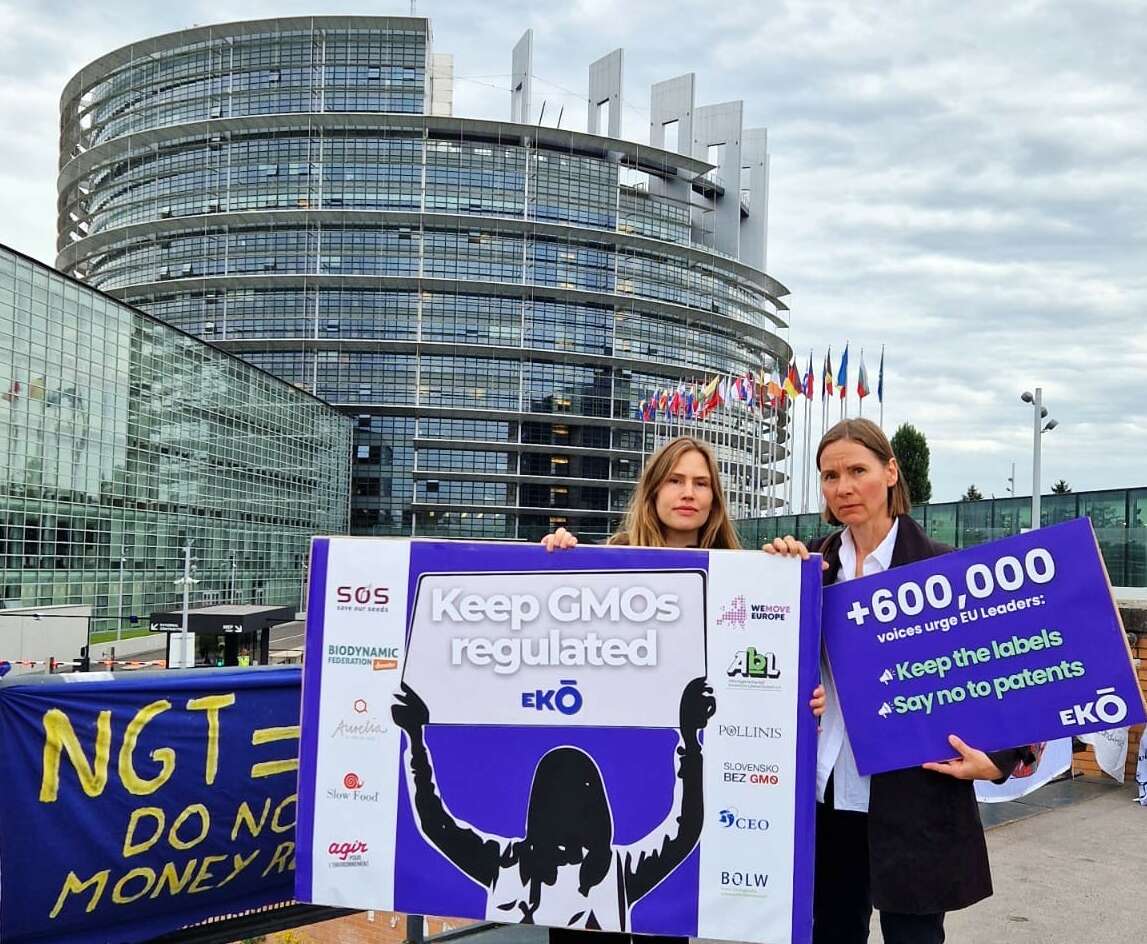
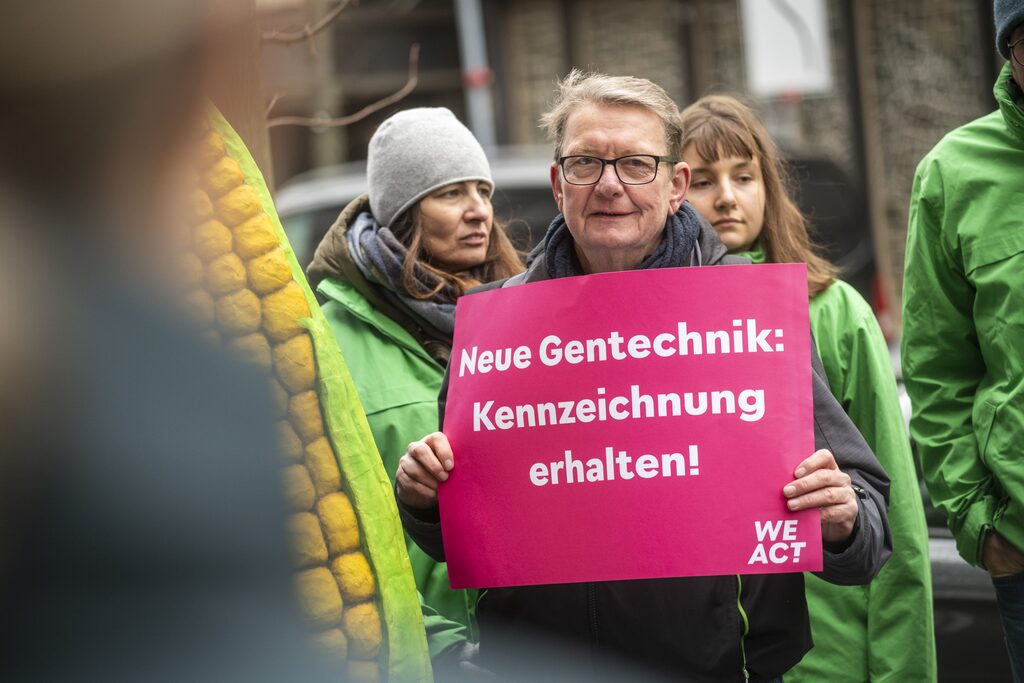
Fol­low­ing today’s vote in the Euro­pean Par­lia­ment, there will no longer be any spe­cif­ic safe­ty assess­ments, labelling require­ments for food and feed, or trace­abil­i­ty in the envi­ron­ment for most genet­i­cal­ly mod­i­fied crops. This fail­ure of demo­c­ra­t­ic dis­course on tech­nol­o­gy under­mines the cred­i­bil­i­ty of organ­ised sci­ence and the already lim­it­ed trust in the integri­ty of pol­i­tics.

Continue Reading

On 21 April, the Coun­cil of Min­is­ters for­mal­ly adopt­ed the out­come of tri­logue nego­ti­a­tions on the EU’s pro­posed new leg­is­la­tion for genet­i­cal­ly mod­i­fied plants devel­oped with so-called new genom­ic tech­niques (NGTs). Save Our Seeds is call­ing on Euro­pean cit­i­zens to urge their Mem­bers of the Euro­pean Par­lia­ment to reject the bill.

Continue Reading

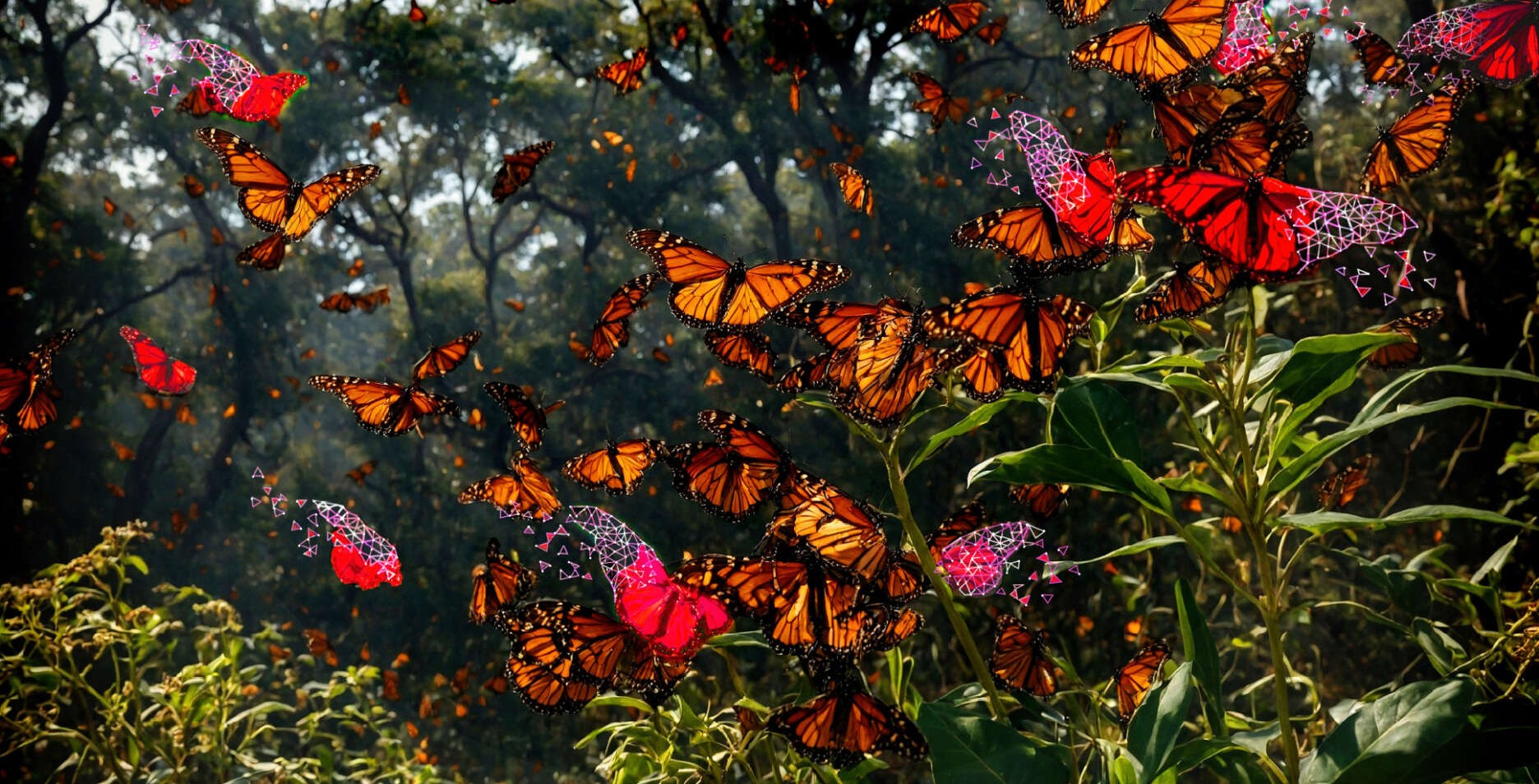
At the World Con­ser­va­tion Con­gress in Abu Dhabi, the Inter­na­tion­al Union for Con­ser­va­tion of Nature (IUCN) nar­row­ly vot­ed against a “pre­cau­tion­ary defer­ment” of the release of genet­i­cal­ly engi­neered wild species into nat­ur­al ecosys­tems. How­ev­er, a slim major­i­ty of IUCN mem­bers sup­port­ed a call for “addi­tion­al pre­cau­tion­ary safe­guards” on such releas­es. The Con­gress exposed deep divi­sions with­in the con­ser­va­tion com­mu­ni­ty over whether genet­i­cal­ly engi­neered wild organ­isms should be released into nature.

Continue Reading

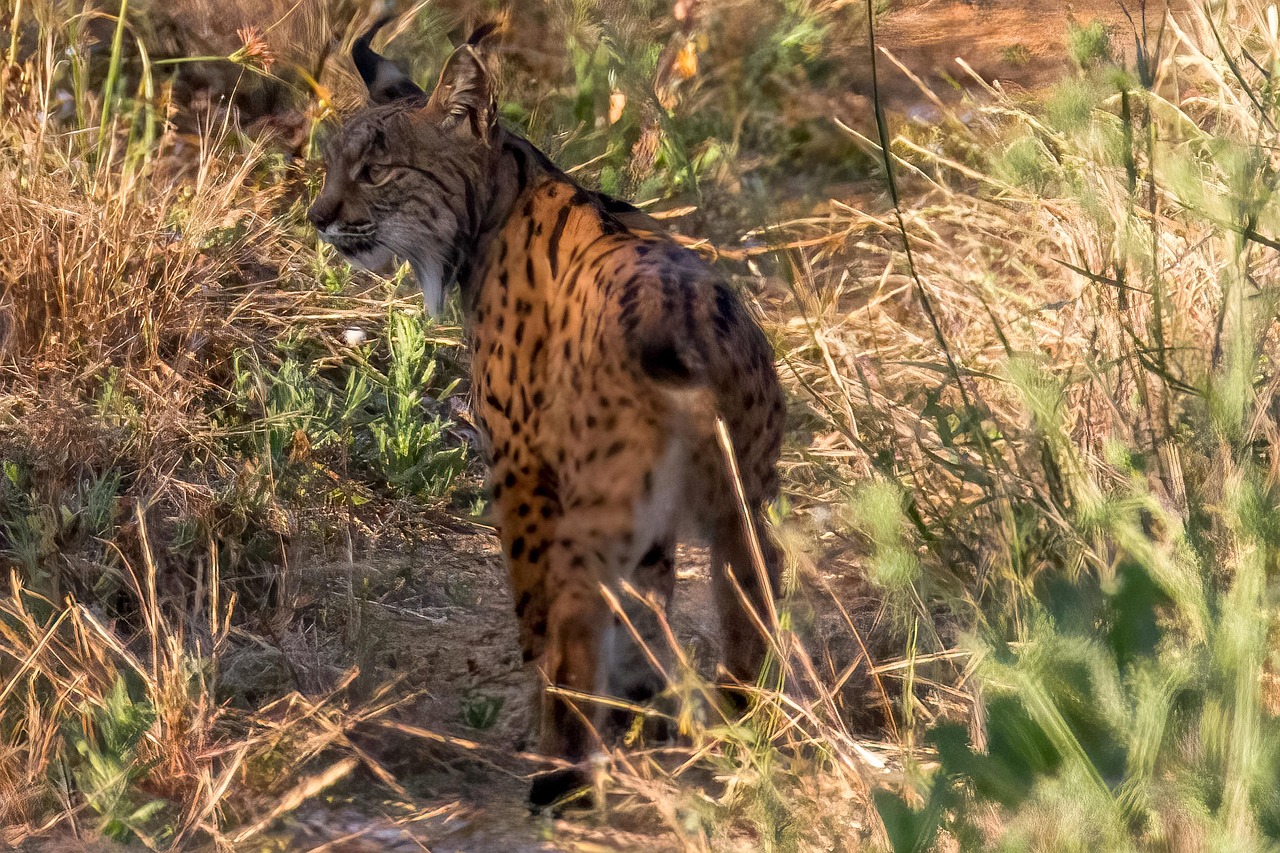
At the IUCN World Con­gress start­ing tomor­row, 9 Octo­ber, del­e­gates will be asked to vote on a motion call­ing for a mora­to­ri­um on genet­i­cal­ly engi­neered wild species. The deci­sion will test whether IUCN upholds the Pre­cau­tion­ary Prin­ci­ple and demon­strates lead­er­ship in pro­tect­ing and restor­ing nature – or whether it opens the door to exper­i­men­tal tech­nolo­gies that risk under­min­ing con­ser­va­tion efforts and erod­ing pub­lic trust.

Continue Reading

The gov­ern­ment of Burk­i­na Faso has ordered the imme­di­ate halt of the Tar­get Malar­ia ini­tia­tive oper­at­ing in the coun­try. Tar­get Malar­ia had just begun its sec­ond field tri­al with genet­i­cal­ly mod­i­fied (GM) mos­qui­toes, aim­ing to gain knowl­edge and expe­ri­ence before mov­ing toward the release of GM mos­qui­toes with gene dri­ves at a lat­er stage.

Continue Reading

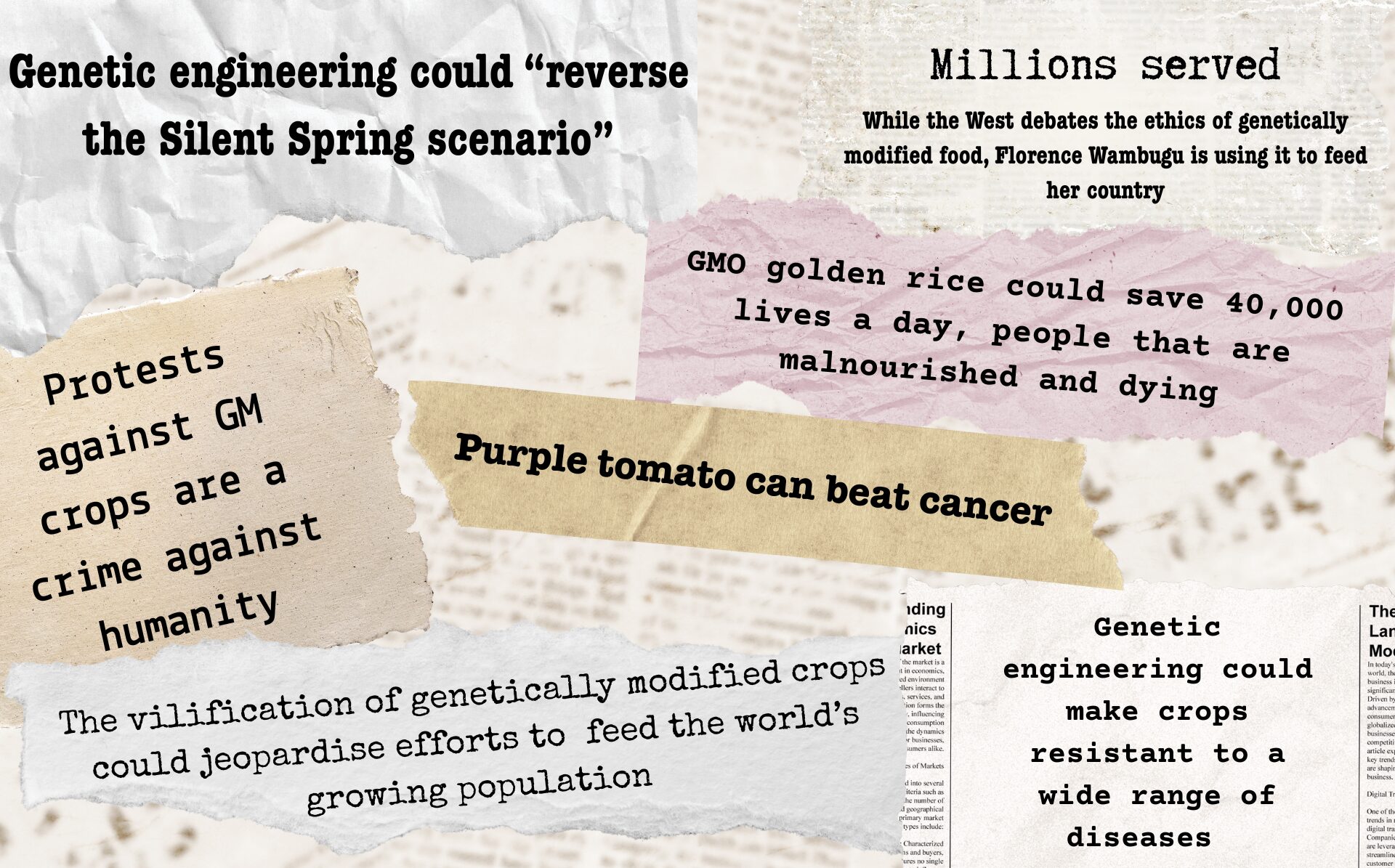
What­ev­er hap­pened to GM Gold­en Rice? And wasn’t GM salmon sup­posed to rev­o­lu­tionise aqua­cul­ture? Three decades after the first GMO crops were plant­ed, Save Our Seeds, in col­lab­o­ra­tion with GMWatch, with con­tri­bu­tions from Beyond GM, explores the fate of eight GMO promis­es once pre­sent­ed as game-chang­ers. The con­clu­sion: bold claims, dis­mal deliv­ery. In 1995, the US Depart­ment of Agri­cul­ture approved…

Continue Reading

to top