
Brussels / Paris, 9 November 2026 - Tomorrow, on 10 November 2026, the European Parliament’s environment and public health committees are due to vote on a proposal to dismantle some of the EU’s regulatory safeguards against potential harm from the release of genetically modified (GM) microorganisms into the environment. Scientists and environmental organisations warn that weakening current rules could expose people and ecosystems to risks that are difficult to predict, monitor or reverse, particularly given the significant gaps in scientific knowledge about microbial life.
The European Commission’s proposal aims to facilitate the marketing of GM microbial products for uses such as fertilisers, pesticides or cosmetics. It covers a broad range of microbial life, including GM bacteria, algae, fungi and viruses. Echoing the biotechnology industry, the Commission claims that existing regulations are holding back potentially beneficial products from the EU market.
Scientists warn of serious gaps in knowledge and oversight
Ecological scientists from across Europe have raised concerns about the proposed legislation. They warn that microorganisms can reproduce and evolve rapidly, spread over long distances and transfer genetic material across species boundaries. Engineered microbes could interact with native species, disrupt ecological networks or displace naturally occurring microorganisms.
Another group of scientists has urged the EU, in an appeal published in the French newspaper Le Monde, to suspend the proposed law and broaden the debate before considering any weakening of existing standards (English version here).
Environmental and agricultural organisations from several European countries have launched a joint petition against the release of genetically modified microorganisms into nature without robust safeguards. This comes in addition to a petition by POLLINIS calling for adequate safeguards, which has already been signed by more than 60,000 citizens.
Franziska Achterberg, Head of Policy at Save Our Seeds, said:
Tearing down existing protections amidst the climate and biodiversity crises is simply irresponsible. Time and again, we have seen what happens when risks are downplayed and safeguards come too late: innovations once hailed as the future, such as microplastics and synthetic pesticides, have become a major burden on soils, oceans and the health of plants, people and animals.
We urge MEPs to strengthen the proposal considerably or reject it altogether. Existing EU regulations are proportionate and necessary to protect against irreversible risks. They should be applied, not weakened.
Nayla Ajaltouni, advocacy officer at POLLINIS, said:
With this proposal, the European Commission is sacrificing the precautionary principle in the name of economic urgency, under the pretext of boosting competitiveness in biotechnology. The potential impacts on human health and the environment are too serious – and potentially irreversible – for MEPs committed to protecting European citizens and the environment to accept the proposal in its current form. We urge them to ensure that it includes the strongest possible safeguards.
Background
The release of genetically modified organisms (GMOs) for purposes other than food and feed is governed by EU Directive 2001/18/EC. The Directive requires prior authorisation based on an environmental risk assessment, an approved detection method and post-market environmental monitoring. Authorisations are limited to a maximum of ten years and can only be renewed following a new application and risk assessment. The Directive established a robust regulatory framework for the environmental release of GMOs in Europe.
The proposed law would weaken all these requirements. Pre-market risk assessments would be less rigorous, standards for detection methods less demanding, and post-market monitoring could even be waived in some cases. A new category of so-called “low-risk” GM microorganisms would be eligible for fast-track authorisation, and all authorisations would be valid for an unlimited period. This is particularly concerning given the EU has never authorised the commercialisation of any GM microorganisms under the Directive and therefore has no experience to draw on.
The European Commission rushed out this legislative proposal in December 2025. It did not provide an impact assessment or carry out a dedicated public consultation. Its supporting analysis was published several months later. Furthermore, the proposal is bundled with an unrelated proposal on organ transplantation, undermining democratic scrutiny and preventing a thorough analysis of the issues raised by GM microbes.
The Council of Ministers already adopted its position in June 2026, making only minor amendments to the Commission’s proposal. The Parliament is expected to vote in plenary on 25 November.
ENDS
About Save Our Seeds
Save Our Seeds is a campaign run by the German Foundation on Future Farming. Since 2002, it has successfully spearheaded efforts to avoid GMO contamination of seeds and maintain precautionary GMO legislation at national and EU levels.
About POLLINIS
POLLINIS is an independent NGO working to protect domestic and wild bees and promote agriculture that respects all pollinators. Founded in 2012, POLLINIS now has more than 1.3 million supporters across Europe. It is funded exclusively by donations from individuals, which, according to the organisation, guarantees its independence.
Media contacts:
Franziska Achterberg, Head of Policy, Save Our Seeds, , +32 498 36 24 03
Hélène Angot, Communications Officer, POLLINIS, , +33 6 12 84 06 97
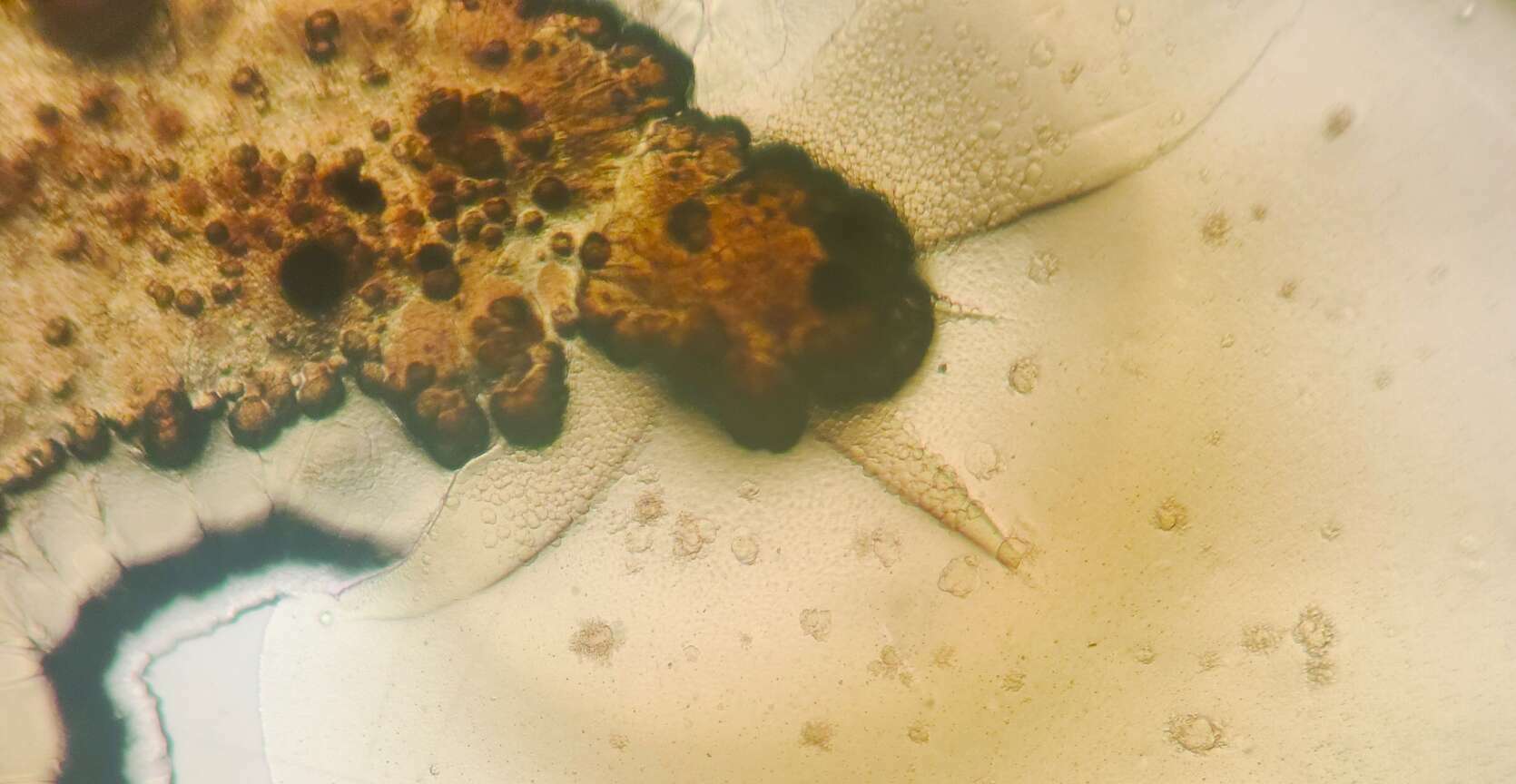
The image shows the unique growth pattern of bacterial colonies.